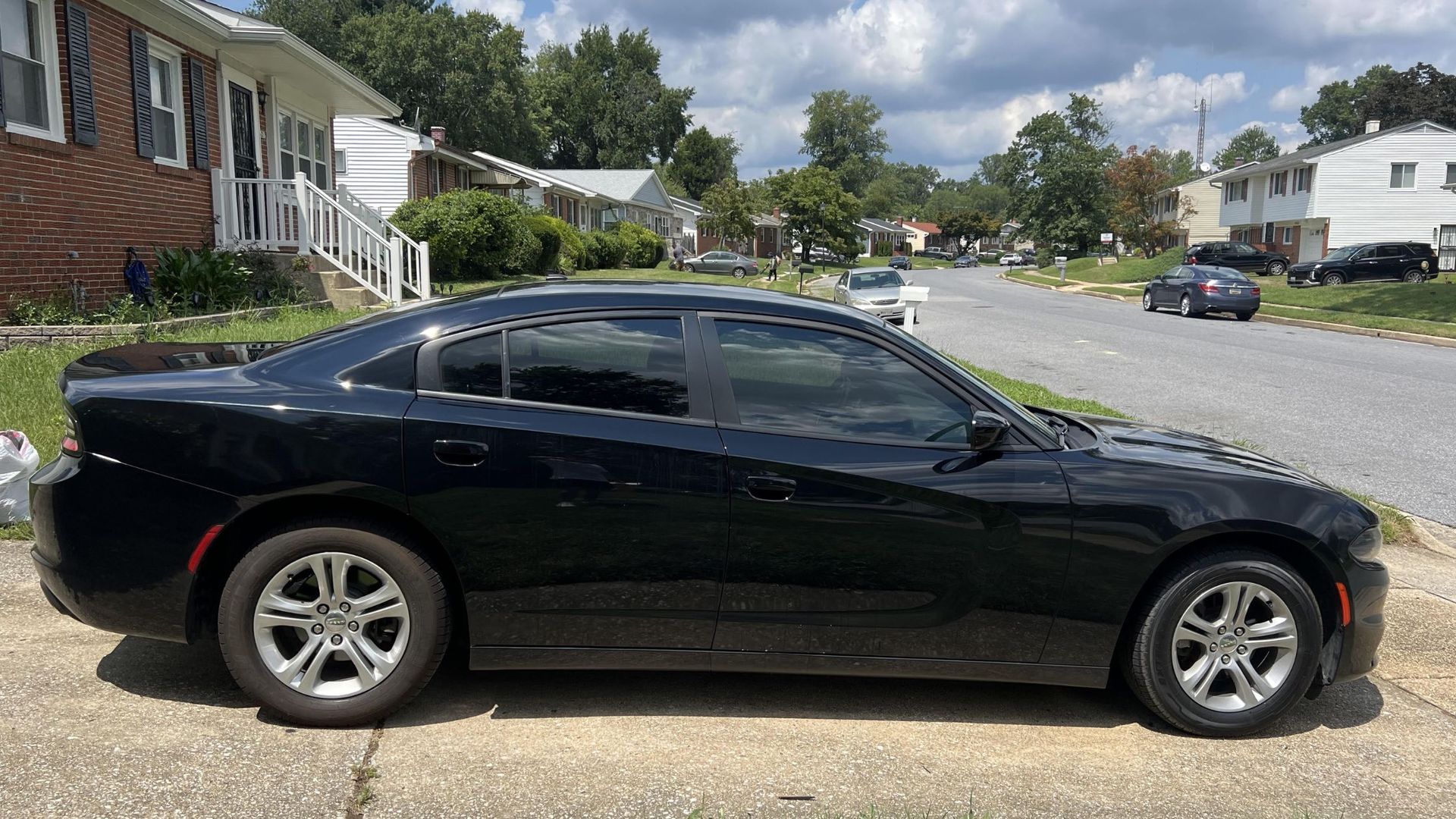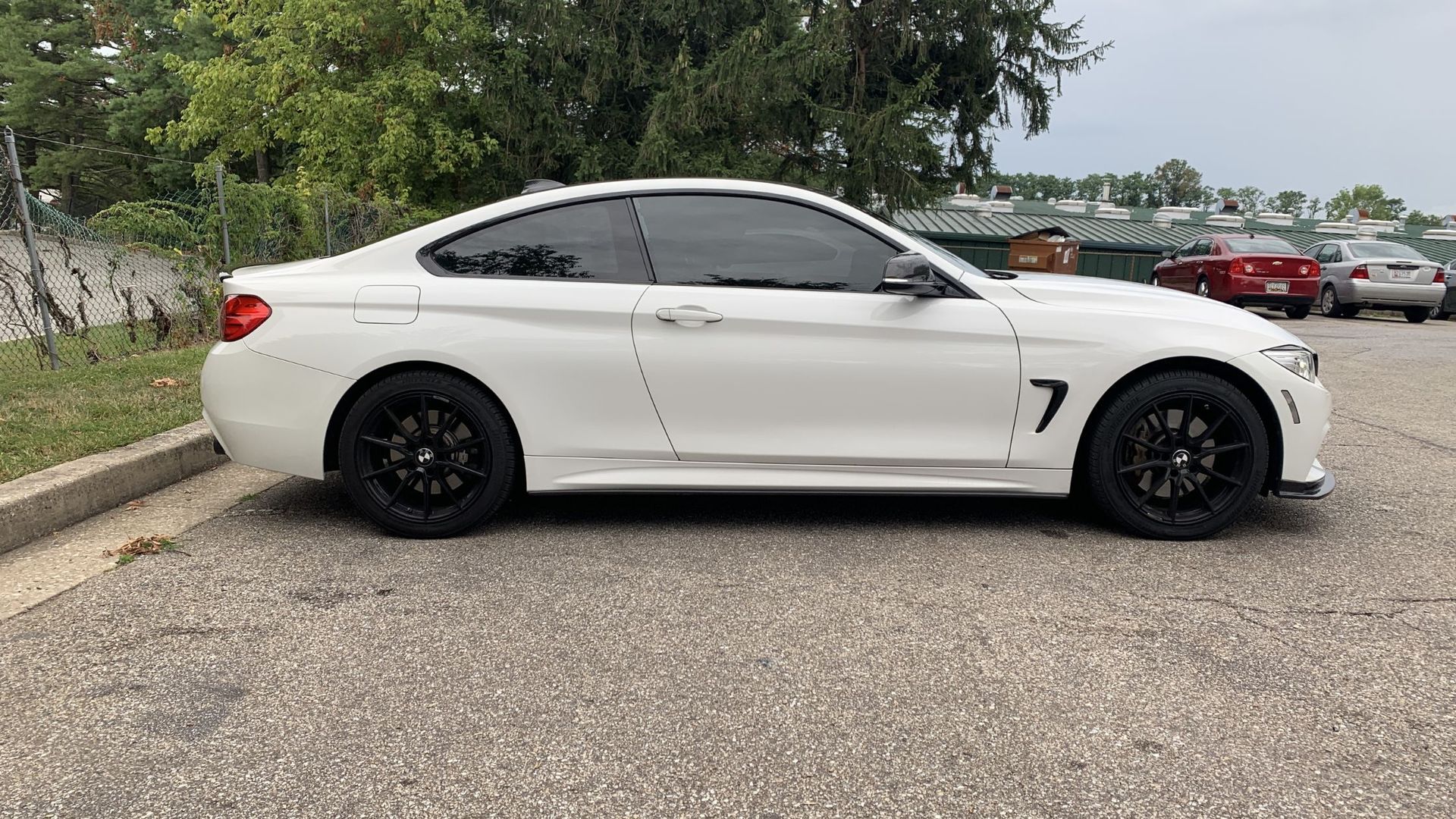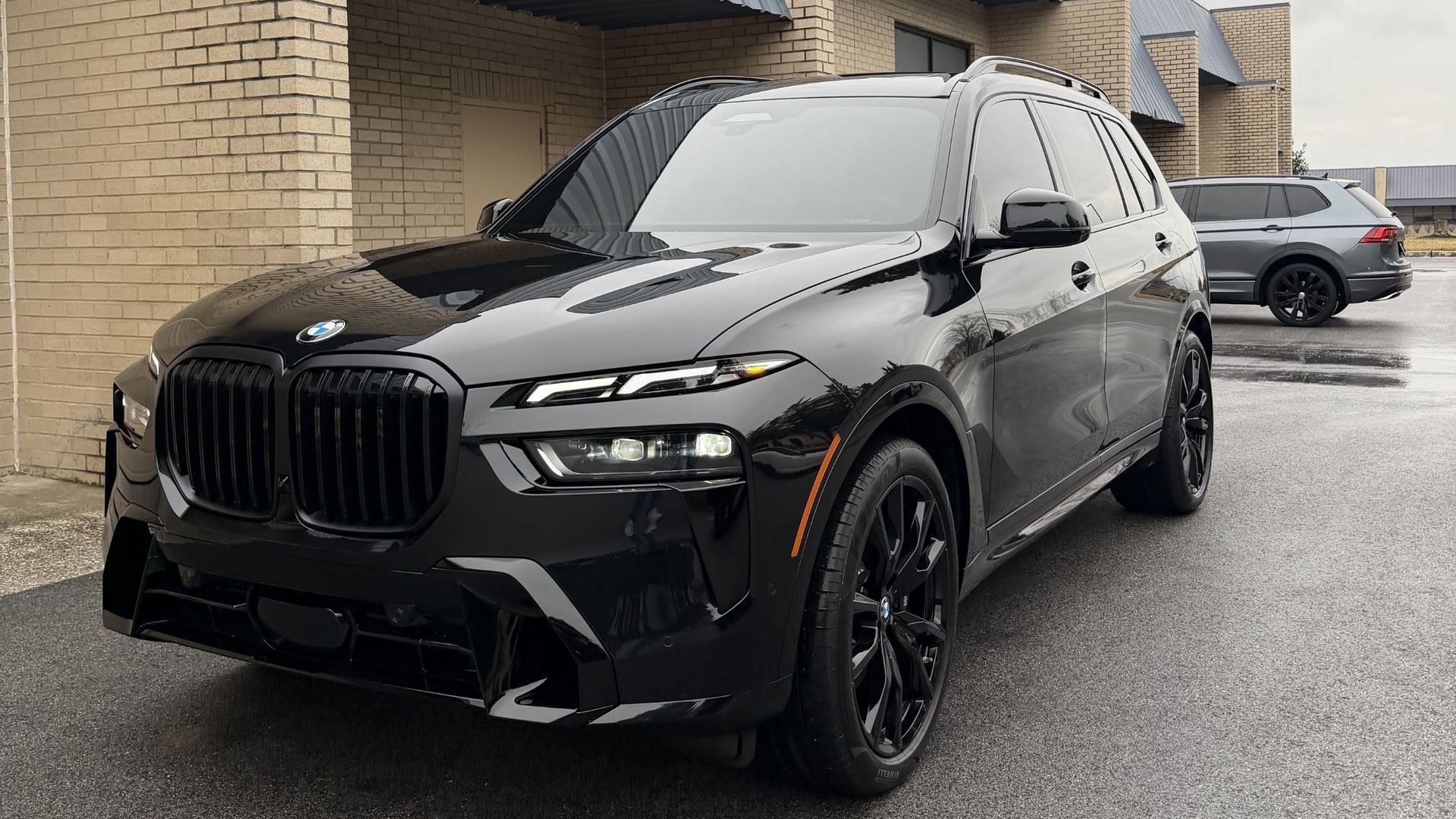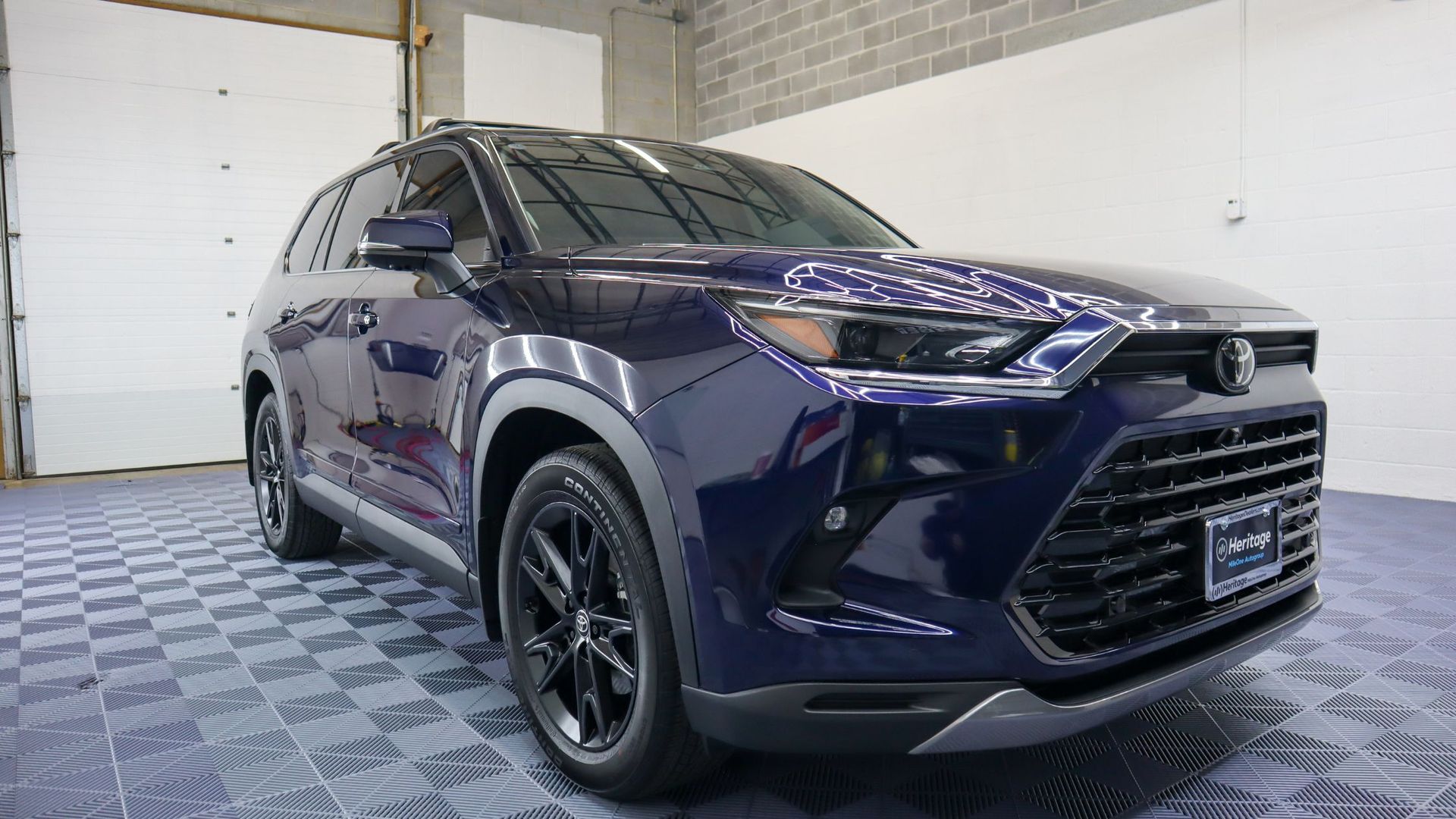
What Are the Signs Your Car Needs New Window Tinting in Baltimore?
You can tell your car needs new window tinting when you observe visible bubbling, a purple or faded color shift, or a significant increase in cabin temperature despite the air conditioning running at full capacity. In the variable climate of Maryland, where humidity and direct sun exposure fluctuate, automotive films eventually reach the end of their functional lifespan. To restore your vehicle’s protection and aesthetic appeal, investing in high-quality Car Window Tinting in Baltimore ensures that your glass remains a barrier against harmful UV rays and heat, especially when navigating the sun-drenched corridors of I-95 or parking near the Inner Harbor.
When Should You Replace Window Tint on a Car?
You should replace window tint on a car as soon as the film shows signs of physical failure like peeling at the edges, a "crackled" appearance, or if you notice that your interior surfaces are beginning to fade from sun exposure. Most standard window films are designed to last between five and ten years, but lower-quality dyed products may fail in as little as three years when subjected to the urban heat island effect found in Downtown Baltimore.
Deciding to invest in Car Window Tinting in Baltimore is often a matter of safety as much as comfort. When a film begins to bubble or delaminate, it creates visual distortions that can impair a driver’s visibility, particularly during nighttime driving or when passing through the Fort McHenry Tunnel. Furthermore, if the adhesive has begun to fail, the film may obstruct the operation of power windows, leading to mechanical strain on the window motors. Professional replacement removes the old, failing layers and replaces them with modern, high-performance materials.
Why is Fading a Major Sign You Need an Auto Tint Upgrade Baltimore?
A change in the color of your window film, specifically shifting from charcoal to a purple or translucent hue, is a definitive indicator of chemical breakdown in the polyester layers. This color shift happens because the dyes used in older films have been bleached by constant ultraviolet radiation. When the color fades, the film’s ability to block heat and protect your skin is virtually non-existent, making a professional faded car window tint replacement necessary to regain your vehicle’s thermal defenses.
In neighborhoods like Federal Hill or Canton, where street parking is common, cars are exposed to the sun for several hours every day. This constant solar bombardment accelerates the degradation of the film's UV inhibitors. If your windows no longer provide the dark, uniform look they once had, you are likely losing the privacy and security benefits that prompted the installation in the first place. Upgrading to a ceramic or carbon-based film will prevent this purple shift from occurring in the future.
How Do Bubbles and Peeling Affect Your Vehicle’s Value?
Bubbling and peeling are signs of adhesive failure, often caused by poor installation or the natural outgassing of the film as it ages. Once the bond between the glass and the film is compromised, moisture and air get trapped, creating pockets that are impossible to flatten. Not only is this an eyesore when you are driving past landmarks like Camden Yards, but it also significantly decreases the resale value of your vehicle.
- Impaired Visibility: Bubbles refract light and create "halos" around headlights, making it dangerous to drive at night.
- Mechanical Issues: Peeling edges can catch on the window seals, potentially scratching the glass or burning out window motors.
- Sticky Residue: As the film peels, it leaves behind a stubborn, sticky adhesive that attracts dust and is difficult to clean without professional tools.
- Lack of Protection: A peeling film is no longer effectively bonded to the glass, meaning it provides zero protection in the event of an accident or break-in.
- Poor Aesthetics: Failing tint makes even a luxury vehicle look neglected and poorly maintained.
What Causes Window Tint to Fail Faster in Maryland?
The Baltimore environment is unique because it combines high humidity with significant temperature fluctuations throughout the four seasons. During the summer, the humidity can trap heat against the glass, causing the film to expand and contract more aggressively than it would in a drier climate. If your vehicle was previously treated with a budget film, these cycles of expansion lead to a peeling window tint repair or full replacement much sooner than expected
.
Furthermore, road salt used during Baltimore winters can sometimes find its way into the window channels. If this salt comes into contact with the edges of a low-quality film, it can trigger delamination. For those who frequently commute from suburbs like Towson or Owings Mills, the sheer amount of time spent in direct sunlight means your film is working overtime. If you are concerned about the current state of your vehicle's glass, you should contact us to have a professional technician evaluate the integrity of your current film.
Can You Repair Peeling Window Tint or Must It Be Replaced?
In almost every case, a peeling or bubbling window tint cannot be "repaired" and must be fully removed and replaced with new material. Once the adhesive has failed or the film has physically deformed, it cannot be rebonded to the glass in a way that remains clear and effective. Attempting a DIY fix usually results in a messy finish and can even cause permanent damage to the defroster lines on your rear windshield.
Choosing an auto tint upgrade Baltimore service ensures that the removal process is handled safely. Professionals use specialized steam equipment and chemical cleaners to dissolve the old adhesive without scratching the glass or damaging the interior trim. This clean slate allows the new, high-performance film to bond perfectly, ensuring a factory-quality finish that will last for years. If you notice the first signs of lifting at the top of your windows, it is the perfect time to contact us and schedule a professional assessment before the problem worsens.
Signs Your Tint is No Longer Rejecting Heat
One of the most subtle signs that your window tint has failed is the "scorched arm" sensation while driving. You might notice that even though your windows look dark, the heat from the sun feels much more intense on your skin than it used to. This is because the infrared-blocking components of the film have broken down, allowing thermal energy to pass through the glass unhindered.
Modern films, particularly those with ceramic technology, are designed to maintain their heat-rejection properties for the life of the vehicle. However, older metallic or dyed films often lose this ability long before they show physical signs of peeling. If you find yourself cranking the AC to the maximum setting just to stay comfortable while driving through the Baltimore Business District, your film is likely no longer doing its job. To learn more about the latest heat-rejection technology, you can contact us and explore our range of high-efficiency ceramic films.
Comparing Old Film Performance vs. New Ceramic Upgrades
| Feature | Failing/Aged Film | New Ceramic Upgrade |
|---|---|---|
| Heat Rejection | 10% - 20% | 60% - 90% |
| UV Protection | Decreased/Unreliable | 99.9% Consistent |
| Visibility | Distorted/Cloudy | High-Definition Clarity |
| Color | Purple or Faded | Deep, Stable Charcoal |
| Adhesive Strength | Bubbling/Peeling | Permanent Molecular Bond |
Is It Time for a Professional Window Tint Removal?
If you can see any light gaps at the edges of your tint or if the film feels "crunchy" to the touch, it is time for professional removal. Trying to scrape the film off yourself is a high-risk task. The rear window, in particular, contains delicate heating elements that are easily destroyed by a razor blade. Professionals use a controlled steaming process that softens the film and the adhesive simultaneously, allowing it to be pulled away in one piece.
Once the old film is removed, the glass must be meticulously cleaned of every microscopic trace of old glue. Any residue left behind will cause the new film to bubble immediately. This is why a professional faded car window tint replacement is a multi-step process that requires patience and precision. A clean removal is the most important part of ensuring your new tint looks perfect and functions correctly for another decade.
The Danger of Driving with Distorted Window Tint
Driving with a failing window tint is a safety hazard that many people overlook. When the film bubbles, it creates a "kaleidoscope" effect with the lights of other cars and street lamps. This is particularly dangerous during rainstorms or when driving near busy intersections like those around the Maryland Science Center. The distortion can make it difficult to judge distances or see pedestrians in your peripheral vision.
Cloudiness or "milkiness" in the film is another sign of internal delamination. This occurs when the layers of the polyester begin to separate from one another. It usually starts as a slight haze and progressively gets worse until it looks like you are driving through fog. If you find yourself rolling down your windows just to see clearly during a turn, it is a clear sign that you need a professional replacement immediately.
Frequently Asked Questions (FAQ)
How do I know if my tint is "purple-ing"?
The easiest way to tell is to roll your window down slightly and look at the very top edge that sits inside the gasket. If that edge is still black or charcoal while the rest of the window looks purple or blue, your film has faded from UV exposure and needs replacement.
Can I just tint over my old, bubbling film?
No. You must never apply new tint over old tint. The new film will not bond to the glass, and the existing bubbles will only become more prominent and trapped. Proper removal of the old film is a mandatory first step.
Why did my tint start bubbling after only two years?
This is usually a sign of a "budget" dyed film or an installation where the glass was not properly cleaned. High-quality films installed by a professional Car Window Tinting in Baltimore expert should not bubble for at least five to ten years under normal conditions.
Will new tint help with the glare from the Chesapeake Bay?
Yes. Modern films are excellent at reducing glare from water and other reflective surfaces. If you frequently drive across the Bay Bridge or spend time near the Baltimore waterfront, a new tint will significantly reduce eye strain.
Does the law change if I am replacing an old tint?
No, the Maryland legal limit of 35% VLT (Visible Light Transmission) still applies to the new film. However, you can choose a film with better heat rejection even if it is the same darkness as your old, failing tint.
The Psychological and Aesthetic Benefits of New Tint
There is a profound difference in the way a car feels when it has fresh, professional window film. Beyond the cooling benefits, the car feels more secure and private. When you are parked at a high-visibility location like Druid Hill Park or the Baltimore Museum of Art, you want your car to look its best. Fresh tint gives the vehicle a "finished" look that failing, purple film simply cannot provide.
It also provides a sense of renewal for your daily commute. Instead of squinting against the sun as you drive home on the Baltimore-Washington Parkway, you can relax in a cool, glare-free cabin. A professional auto tint upgrade Baltimore transforms your vehicle from a source of frustration into a comfortable sanctuary. It is one of the most effective ways to refresh an older vehicle and make it feel like new again.
Why Professional Installation is Non-Negotiable for Replacements
Replacing old tint is significantly more difficult than a first-time installation because of the decontamination required. A professional shop has the environment and tools to ensure that no dust or old adhesive is trapped under the new film. They also provide warranties that protect you against future fading or bubbling, something you will never get with a DIY kit or a low-cost "shade tree" installer.
In a city with as much character and pride as Baltimore, your vehicle is a reflection of you. Using a specialist for Car Window Tinting in Baltimore ensures that the job is done right the first time. They understand the local regulations and the specific challenges of our climate, providing you with a product that is built to last.
Conclusion
Recognizing the signs of failing window tint is the first step in protecting your vehicle's interior and your own driving comfort. Whether it is the unsightly purple fade, dangerous bubbling, or a loss of heat rejection, these indicators are your car's way of telling you that the protective barrier has been breached. By choosing a high-quality Car Window Tinting in Baltimore, you ensure that your vehicle stays cool, secure, and visually appealing for all your travels through the Charm City.
From the quiet streets of Mount Washington to the bustling harbor, the sun is a constant factor that Maryland drivers must manage. Investing in an auto tint upgrade Baltimore is a proactive way to maintain your vehicle’s value and your own peace of mind. A fresh installation provides a level of clarity and protection that simply cannot be matched by aged, failing materials.
At
Darker Image Auto Studio, we pride ourselves on being a trusted local service provider that helps Baltimore drivers navigate the challenges of car maintenance. We specialize in the meticulous removal of old, failing films and the expert installation of the industry's best ceramic and carbon tints. Our team is dedicated to providing the high-quality solutions and professional care needed to keep your vehicle looking and performing its best for years to come.