How Can Car Window Tinting Increase Privacy and Security in Baltimore?
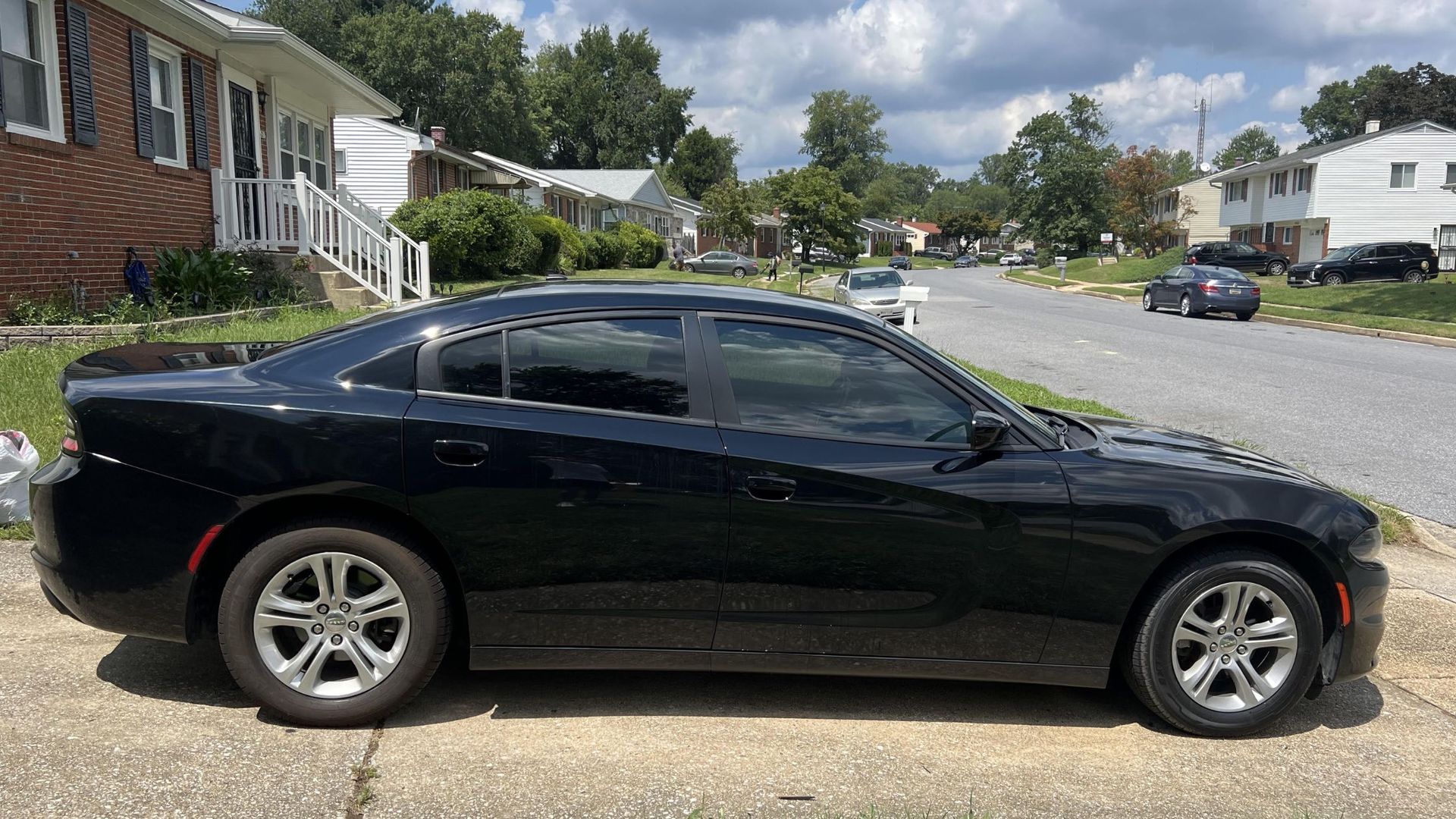
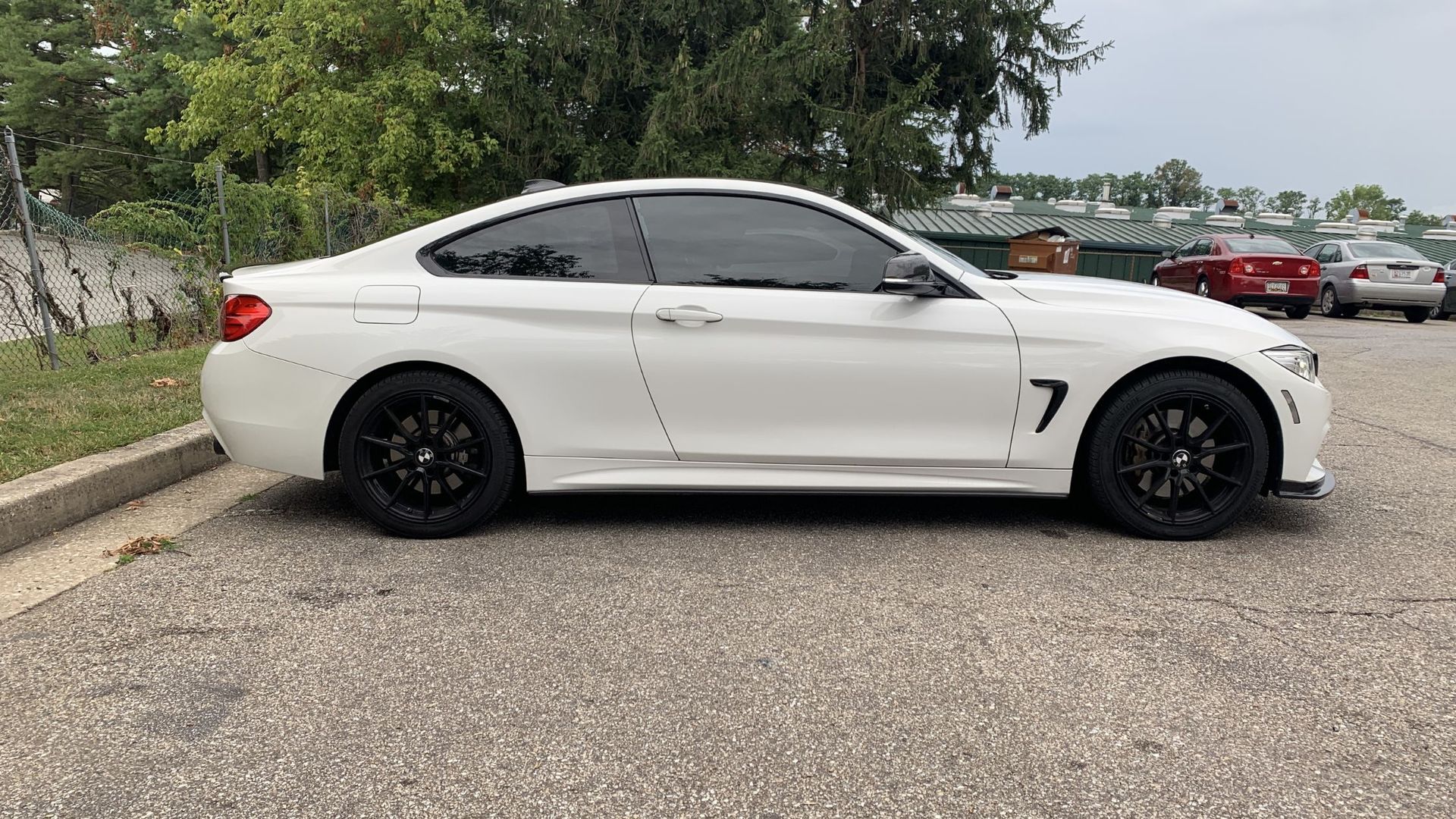
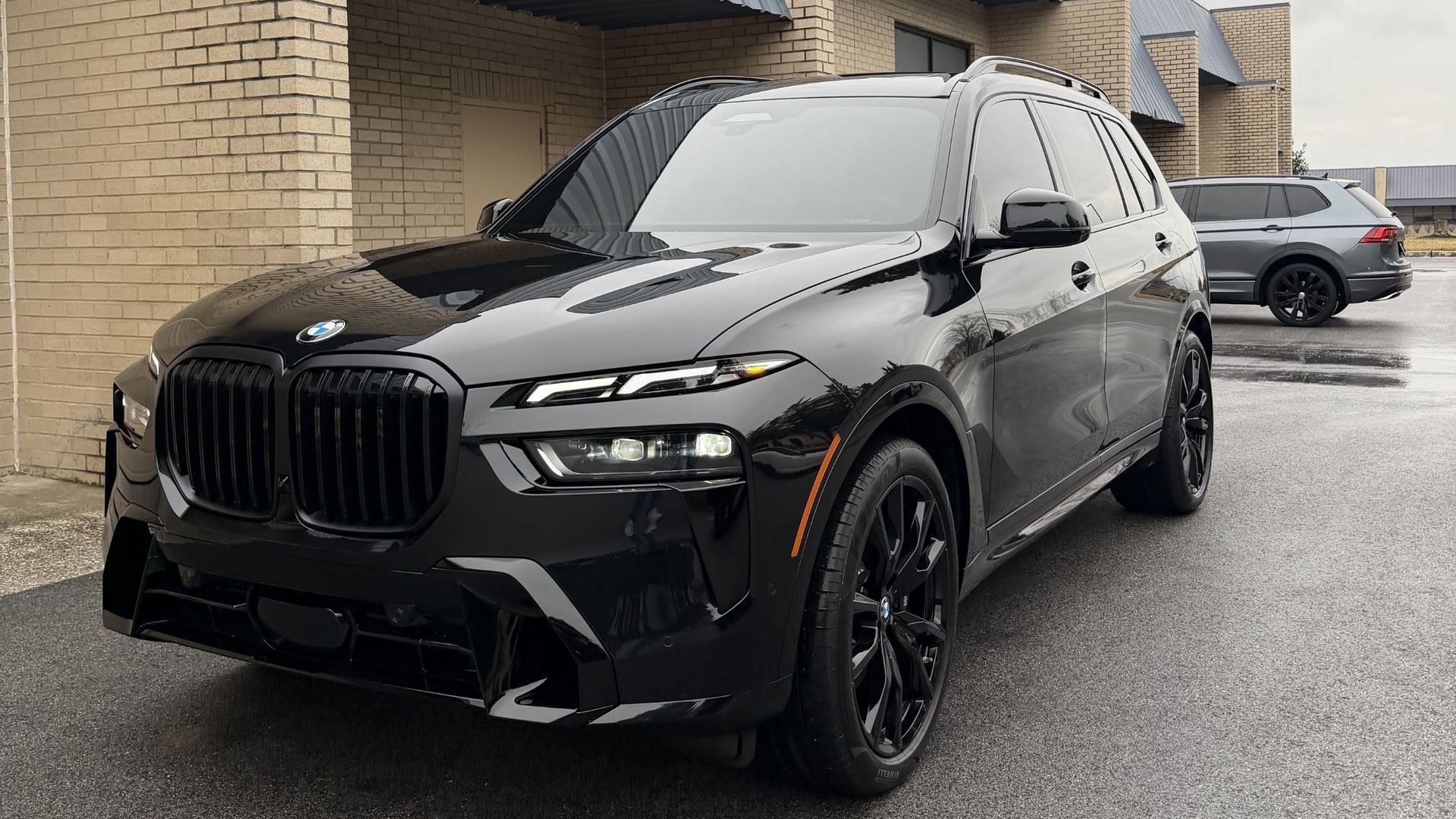
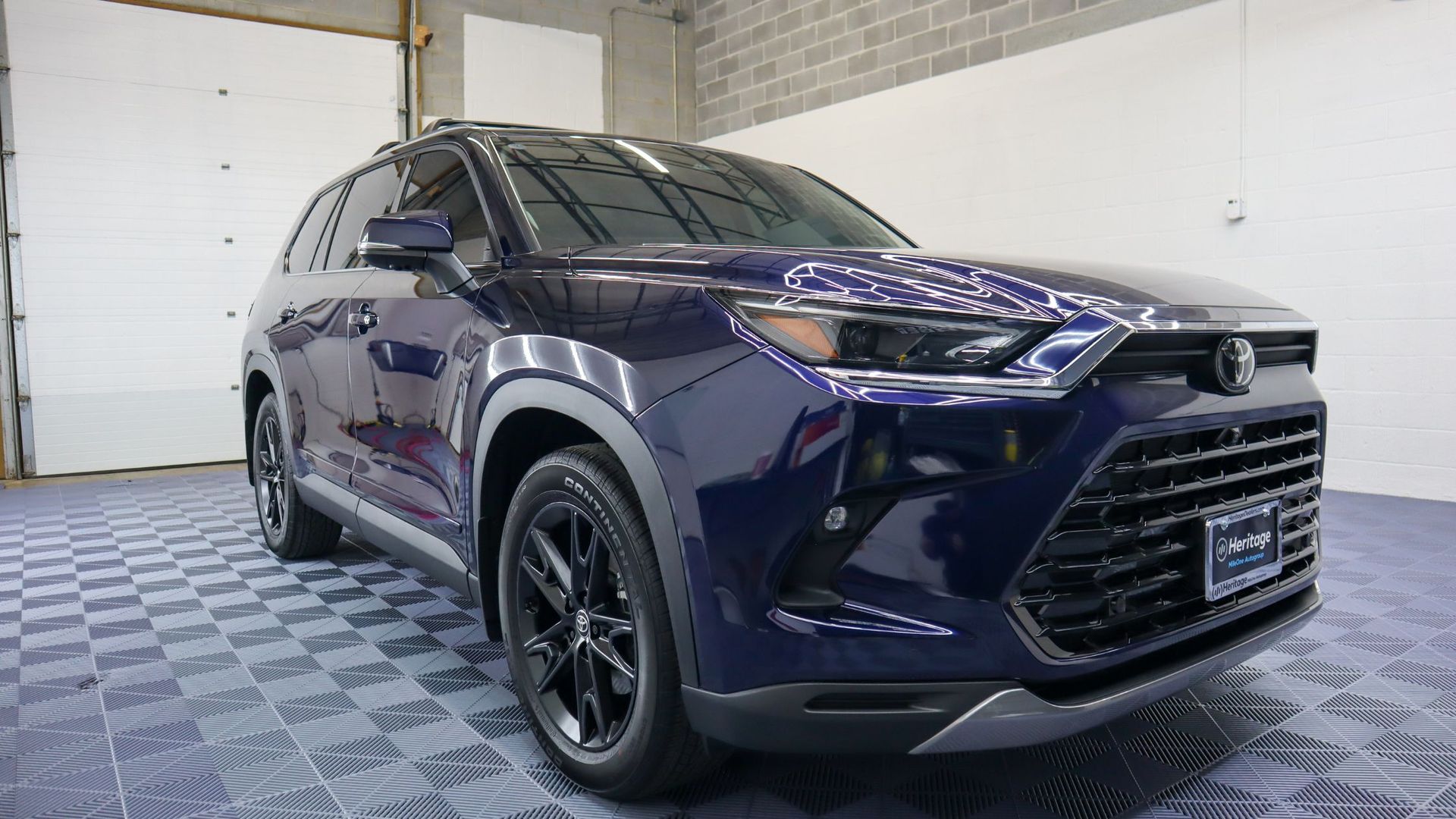
Car window tinting increases privacy and security by creating a visual barrier that prevents opportunistic thieves from seeing valuables and by adding a protective layer that helps hold glass together during an attempted break-in. In a high-traffic city like Baltimore, where vehicles are often parked in public areas near the Inner Harbor or around M&T Bank Stadium, reducing the visibility of your interior is a critical deterrent. To achieve the best balance of aesthetics and protection, many residents choose professional Car Window Tinting in Baltimore to ensure their vehicle remains a private, secure space even in crowded urban environments.
Is Window Tinting Good for Privacy and Security?
Yes, window tinting is an exceptionally effective tool for improving both privacy and security by limiting the view into your vehicle and strengthening the structural integrity of the glass. When you park on a busy street in Fells Point or near the University of Maryland Medical Center, your car becomes a potential target for "smash and grab" crimes if valuables are visible. A quality film ensures that even if someone looks toward your windows, they cannot easily identify what is inside, which often leads them to move on to an easier, more transparent target.
Security goes beyond just hiding items from view. Standard automotive glass is designed to shatter into small pieces upon impact, which allows an intruder to gain entry in seconds. A specialized vehicle security tint film is bonded to the glass with a powerful adhesive that keeps these shards together even when the window is struck with force. This delay can be the difference between a successful theft and a frustrated criminal who flees before they can enter the cabin.
Why is Car Window Tinting in Baltimore a Smart Investment for Security?
Car Window Tinting in Baltimore is a smart investment because it addresses the specific security challenges of urban living, where cars are frequently left unattended in areas with high foot traffic. Whether you are commuting from Towson or parking your car near the Power Plant Live! district for an evening out, you want the peace of mind that comes with a protected interior. Professional tinting acts as a primary layer of defense that complements your car's alarm system by preventing the crime from being initiated in the first place.
Beyond theft prevention, privacy is a major concern for drivers navigating the densely populated streets of the Downtown Business District or the busy corridors of I-95. A tinted car provides a sanctuary where you can store personal items, shopping bags, or work equipment without feeling exposed to every passerby. If you have questions about which film grade provides the best balance of visibility and protection for your specific needs, you can contact us to speak with a local expert.
How Does Tint Prevent Smash-and-Grab Thefts?
Tint prevents smash-and-grab thefts by removing the visual incentive for a crime and making the physical act of breaking the glass significantly more difficult and time-consuming.
- Visual Deterrence: Most thefts are crimes of opportunity. If a thief cannot see a laptop, a purse, or a phone on your seat, they are far less likely to risk a break-in.
- Structural Reinforcement: Even if a window is hit with a heavy object, the film holds the glass in the frame, requiring multiple strikes to create an entry point.
- Noise and Time: The repeated effort required to break through security-grade film creates noise and takes time, both of which are the enemies of a thief in a public area.
- Glass Containment: In the event of an accident or an attempted entry, the film prevents glass from flying into the cabin, protecting you and your interior from sharp shards.
- Psychological Barrier: A dark window suggests a level of preparedness that often discourages criminals from attempting a theft on that specific vehicle.
What Are the Best Dark Window Tint Options for Privacy?
When searching for dark window tint options, it is important to consider the material of the film rather than just the percentage of light it allows through. While traditional dyed films are often the darkest, they can fade over time and lose their privacy-enhancing properties. Carbon and ceramic films provide deep, consistent color that remains stable for years, ensuring your privacy is never compromised by bubbling or turning purple.
Many Baltimore residents prefer a "charcoal" or "black" finish that matches the factory glass of many SUVs and trucks. This provides a uniform look that looks sophisticated while parked at the Baltimore Museum of Art or driving through the scenic streets of Roland Park. If you are interested in seeing samples of these different shades and how they look on various glass types, you can contact us for a personalized demonstration of our premium film options.
Understanding Maryland Window Tint Laws for Privacy
While maximum privacy is often the goal, it is essential to stay within the legal limits of Maryland law to avoid costly citations and safety issues. In Maryland, passenger cars must allow at least 35% of light to pass through the front side windows, while SUVs and trucks often have more flexibility for the rear windows. Using a car privacy window tint Baltimore specialist ensures that your installation meets these legal requirements while still providing the highest possible level of security and heat rejection.
Legal tint levels are designed to ensure that you have enough visibility to drive safely at night while still allowing for a degree of privacy. Even at the 35% threshold, a high-quality film can make it very difficult for someone to see into your car from the outside during the day. This is especially useful for those who spend time in the bright, open spaces of Canton Crossing or near the waterfront, where the sun normally illuminates every corner of a vehicle's interior.
Can Security Film Protect You During an Accident?
Yes, the same properties that make security film a deterrent for thieves also make it a life-saving feature during a collision or a heavy storm. In an accident, the side windows are often the first to shatter, sending thousands of tiny glass fragments into the cabin at high speeds. A security-grade film acts as a "web" that catches these pieces, preventing them from causing secondary injuries to the driver or passengers.
This protection is a significant benefit for families traveling along the Baltimore-Washington Parkway or families heading to the Maryland Zoo. Knowing that your glass is reinforced adds a layer of safety that standard factory windows simply do not provide. To find out more about the safety ratings of the films we install for Baltimore drivers, you should contact us and ask about our safety-tested automotive products.
Comparison of Security and Privacy Film Features
| Feature | Standard Dyed Tint | Carbon Privacy Film | Ceramic Security Film |
|---|---|---|---|
| Privacy Level | Moderate | High | Maximum |
| Security (Strength) | Low | Moderate | Extreme |
| Heat Rejection | Low | High | Very High |
| UV Protection | 99% | 99% | 99.9% |
| Fade Resistance | Low | High | Maximum |
Does Window Tinting Protect Sensitive Electronic Equipment?
For professionals working in the city, window tinting is a vital tool for protecting sensitive equipment from both theft and heat damage. Many contractors and tech professionals who park in areas like Locust Point or the Silicon Point district carry expensive tools or hardware in their vehicles. A vehicle security tint film ensures that these items are hidden from view and that the glass is reinforced against anyone trying to gain quick access to your livelihood.
The heat-rejection properties of these films also play a role in security. Electronics like tablets and diagnostic tools are sensitive to the extreme temperatures that can build up inside a car parked in the sun. By keeping the interior cooler, the film prevents these devices from overheating, ensuring they are ready to work when you are. This dual-purpose protection makes tinting one of the most cost-effective upgrades you can add to a work vehicle in the Baltimore area.
Privacy for Rideshare and Delivery Drivers
The rise of the gig economy in Baltimore has made privacy more important than ever for those driving for services like Uber or Lyft. Drivers frequently navigate through different neighborhoods, from the quiet streets of Mount Washington to the bustling nightlife of Highlandtown. Having a car privacy window tint Baltimore solution allows drivers to keep their personal belongings secure in the front seat while providing a comfortable, private environment for their passengers in the back.
Privacy is also a safety issue for drivers who may be carrying cash or valuable deliveries. When your interior is obscured, you are less likely to be targeted while stopped at traffic lights or during late-night drop-offs. The peace of mind that comes with knowing you aren't being watched while you work is invaluable for those who spend eight or more hours a day on the road in the city.
Frequently Asked Questions About Privacy and Security
Can people see inside my car at night if it's tinted?
At night, the interior of a tinted car is much harder to see into than a standard vehicle, especially if the cabin lights are off. However, if you turn on an overhead light, the contrast will make the interior visible from the outside.
Does "security film" look different from regular tint?
No, high-quality security film looks exactly like a premium window tint. The only difference is the thickness of the material and the strength of the adhesive used to bond it to the glass. You can get the security benefits in various dark window tint options.
Will tinting my windows lower my insurance?
While most insurance companies do not offer a direct discount for window tinting, it can prevent claims related to theft and broken glass. By reducing the likelihood of a successful break-in, you avoid the hassle and costs associated with filing a claim and paying a deductible.
How dark can I legally go for security in Maryland?
For passenger cars, the legal limit is 35% VLT. For SUVs and trucks, you can go darker on the rear windows, which is ideal for securing cargo areas or back seats where children or equipment may be located.
Does the film make it hard for me to see out?
Professional films are designed for "one-way" privacy. This means they are optimized to block the view from the outside while maintaining excellent clarity and visibility for the driver, even during nighttime driving in the city.
The Psychological Impact of a Protected Vehicle
There is a significant psychological component to vehicle security that is often overlooked. A car that appears "closed off" and well-maintained sends a message to potential criminals that the owner is attentive and has likely taken other security measures. In contrast, a car with clear glass and visible items inside looks like an easy mark. By opting for Car Window Tinting in Baltimore, you are effectively "hardening" your target.
Whether you are parking your car at a park-and-ride lot in Arbutus or outside a grocery store in Pikesville, the visual presence of window film changes the risk-reward calculation for a thief. They want a quick, guaranteed result with minimal resistance. Tinted windows introduce uncertainty and the threat of a delayed entry, which is often enough to make them choose a different vehicle entirely.
Why Quality Installation Matters for Security
The security benefits of window film are only as good as the installation. If the film is not applied correctly, it can peel at the edges, creating a point of weakness that a thief can exploit. Professional installers use precision-cutting technology to ensure the film goes all the way to the edge of the glass, providing a seamless bond that reinforces the entire pane.
In a city like Baltimore, where humidity can affect the curing process of the adhesive, having a professional shop handle the installation is essential. They use specialized tools and climate-controlled environments to ensure the vehicle security tint film bonds perfectly. This ensures that the security features are fully functional and that the film will not bubble or fail when you need it most.
Conclusion
In an urban environment, privacy and security are not luxuries; they are necessities for any vehicle owner. The ability to obscure your valuables and reinforce your windows against intrusion is one of the best ways to protect your property in Baltimore. By choosing high-quality Car Window Tinting in Baltimore, you are investing in a multi-layered defense system that guards against theft, accidents, and prying eyes.
From the residential streets of Bolton Hill to the business centers of Harbor East, your car is constantly exposed to the public. Utilizing modern dark window tint options allows you to customize your vehicle’s look while significantly enhancing its safety profile. A more secure car leads to a more confident driving experience throughout the city.
At Darker Image Auto Studio, we are proud to be a trusted local service provider helping our community stay safe on the road. We specialize in advanced security films and privacy tints that are specifically chosen for the needs of Maryland drivers. Our team is dedicated to providing the expert advice and professional installation required to give you the ultimate peace of mind.