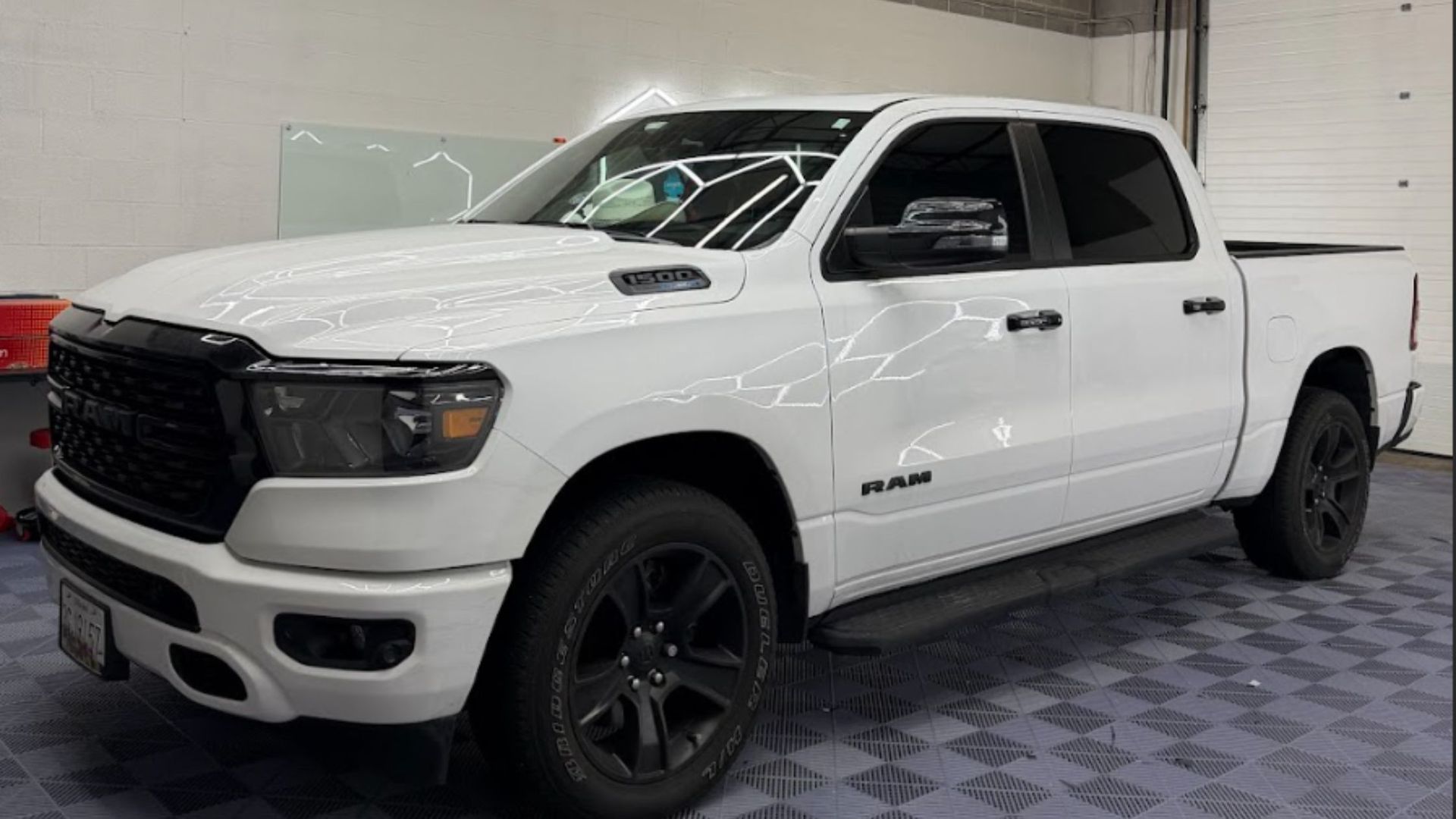
ceramic-coating-worth-it-daily-drivers-baltimore
Investing in professional ceramic coating in Baltimore MD provides exceptional long-term paint defense, easy maintenance, and high gloss retention for vehicles driven every day. Daily drivers face continuous environmental stress from highway salt, industrial pollution, tree sap, and harsh seasonal weather. While traditional waxes wash away in weeks, liquid nano-ceramic coatings bond directly with factory clear coats to form a durable hydrophobic shield. This guide examines the real-world value, financial benefits, and protective advantages of ceramic coatings for daily commuters across Maryland.
Is Ceramic Coating Worth It for Daily Drivers?
Yes, ceramic coating can be worth it for daily drivers because it adds durable protection against everyday environmental exposure while making routine cleaning easier. Unlike garage-kept show cars, daily commuters face constant exposure to road grit, acid rain, bird droppings, and UV radiation.
Choosing ceramic coating in Baltimore MD transforms your daily commuter vehicle by applying a slick, chemical-resistant ceramic layer over the clear coat. This nano-barrier prevents harsh atmospheric contaminants from bonding to the paint surface.
Instead of relying on frequent wax treatments, a ceramic-coated daily driver can usually be cleaned more easily with a proper hand wash. The value over time depends on the selected package, the vehicle's exposure, maintenance habits, and how long the owner keeps the vehicle.
- Long-Term Surface Protection: Resists atmospheric pollutants, road salt, acidic rain, and UV damage for years rather than weeks.
- Effortless Cleaning: High hydrophobic properties cause water, mud, and highway road film to slide off without aggressive scrubbing.
- Resale Value Preservation: Helps maintain a smooth, glossy appearance by reducing contaminant adhesion and UV exposure.
- Potential Long-Term Value: Can reduce the need for frequent waxing while helping preserve the vehicle's appearance when maintained properly.
What Are the Key Benefits of Ceramic Coating for Daily Drivers?
The key benefits of ceramic coating for daily drivers include super-hydrophobic water repellency, superior chemical resistance, UV oxidation defense, and enhanced gloss retention. Daily driving subjects vehicle paint to unpredictable road conditions and environmental hazards.
Understanding these core advantages helps car owners see how advanced surface technology protects their vehicle investments.
Hydrophobic Water Repellency and Self-Cleaning Properties
Liquid nano-ceramic coatings are formulated with silicon dioxide (SiO2) or silicon carbide (SiC) particles that seal the microscopic pores of factory clear coats. This microscopic smoothing creates a super-hydrophobic surface that forces water to form tight beads and roll off body panels.
As rainwater slides off the vehicle, it carries away loose dirt, dust, and road film. This self-cleaning effect keeps daily drivers looking cleaner between washes, even during wet spring weather.
Defense Against Chemical Contaminants and Acidic Etching
Daily commuters regularly encounter bug splatter, bird droppings, tree sap, and road oils. These substances contain concentrated acids and organic compounds that etch deep into unprotected clear coats when heated by direct sunlight.
A ceramic layer adds a sacrificial barrier that helps reduce direct contact between contaminants and the underlying paint. Prompt removal is still important because bird droppings, sap, and bug residue can stain or etch a coated surface if left in place.
UV Shielding and Color Saturation
Continuous sunlight exposure causes paint pigments to break down over time, resulting in dulling, color fading, and clear coat oxidation. This issue is particularly noticeable on dark vehicles or cars parked outdoors during work hours.
Ceramic coatings can add resistance to UV-related fading and oxidation while enhancing color depth and metallic flake clarity. They reduce exposure-related damage but do not make paint immune to aging or neglect.
How Does Baltimore Weather Attack Unprotected Daily Drivers?
Baltimore weather attacks unprotected daily drivers through aggressive road treatments in winter, high humidity in summer, heavy pollen in spring, and urban pollution year-round. Commuters driving along major transportation corridors face constant surface hazards.
Adapting your vehicle protection strategy to local climate patterns ensures your paint remains undamaged across every season.
Winter Salt and Corrosive Deicers
During Maryland winter storms, highway crews heavily treat Interstate 95, the Baltimore Beltway (I-695), and local commuter routes with rock salt and liquid magnesium chloride brine. These harsh chemicals kick up onto lower body panels, rocker panels, and rear bumpers.
When salt slurry dries on vehicle surfaces, it creates a corrosive film and can leave chalky mineral residue. A ceramic coating helps resist contamination and makes brine easier to remove, but regular winter washing remains necessary.
Summer Heat, Humidity, and Industrial Pollution
Summer conditions near the Patapsco River and surrounding port areas bring high atmospheric humidity combined with intense thermal heat. Moisture in the air traps industrial soot, diesel exhaust particulates, and airborne fallout against warm vehicle surfaces.
When sudden rain showers wash over vehicles parked near the Inner Harbor, mineral-rich drops can dry quickly under afternoon sun and leave water spots. Ceramic coatings can make deposits easier to remove, but prompt washing and drying are still important.
Organic Fallout in Suburban Neighborhoods
Commuting through wooded suburban areas like Columbia, Clarksville, Towson, and Mount Vernon exposes vehicles to heavy oak tree sap, sticky honeydew, and seasonal yellow pollen. These organic contaminants penetrate micro-pores in standard clear coats within hours.
A dedicated ceramic coating for daily drivers creates a slicker surface that reduces how strongly sap and pollen adhere, making routine cleaning easier when contamination is removed promptly.
Ceramic Coating vs. Traditional Wax: Which Is Better for Commuters?
Ceramic coating is far superior to traditional carnauba wax or synthetic sealants for daily commuters due to its durability, heat resistance, and chemical defense. Traditional carnauba waxes sit loosely on top of the paint, melting under hot summer sun and dissolving after just a few rainstorms or car washes.
Comparing the operational characteristics of both products highlights why modern ceramic technology is the standard for daily vehicle care.
| Performance Metric | Carnauba Wax | Synthetic Sealant | Professional Ceramic Coating |
|---|---|---|---|
| Typical Durability | Usually measured in weeks or months | Usually measured in months | Darker Image offers 2-, 5-, and 9-year packages |
| Contaminant Resistance | Basic | Moderate | Stronger resistance when properly maintained |
| Hydrophobic Action | Short-lived water beading | Good water repellency | Strong water repellency and easier cleaning |
| Maintenance Level | Frequent reapplication | Periodic reapplication | Regular proper washing; package-specific care |
| Physical Impact Protection | None | None | Does not prevent rock chips; PPF is needed for impact protection |
How Much Money Does Ceramic Coating Save Over Time?
Ceramic coating can provide long-term value by reducing the need for repeated waxing, simplifying routine washing, and helping preserve the vehicle's finish. While the initial investment is higher than buying a bottle of wax, the financial benefit depends on the package, ownership period, maintenance habits, and the vehicle's exposure.
Analyzing long-term vehicle surface protection helps owners compare the upfront service cost with their expected maintenance needs.
Consider the cost of maintaining a daily driver with traditional methods over four years. Applying quality wax every three months requires either purchasing premium supplies and spending dozens of weekend hours laboring, or paying a detailer hundreds of dollars annually.
Additionally, drive-through brush car washes create severe swirl marks over time, eventually requiring expensive multi-stage paint correction to restore the vehicle's gloss.
A professionally applied ceramic coating can last for years when the correct package is selected and the surface is maintained as directed. The smooth surface allows car owners to clean their vehicles more easily at home using appropriate products.
Furthermore, maintaining a clean, glossy factory finish can support the vehicle's presentation and potential resale appeal when it is time to upgrade.
If you want to evaluate your daily driver's current paint condition, you can contact us to schedule a surface assessment with our detailing specialists.
What Is the Real-World Process for Protecting Daily Drivers?
The real-world process for protecting daily drivers with ceramic coating involves thorough decontamination, surface leveling, precision hand application, and climate-controlled curing. Because daily commuters collect heavy road film, thorough preparation is necessary before applying liquid nano-coatings.
Professional installation generally follows a careful sequence designed to support consistent adhesion and appearance.
Phase 1: Deep Chemical and Mechanical Wash
The installation process starts with a high-lubricity foam prep wash designed to strip away old waxes, silicone glazes, and oils. Next, technicians apply a specialized iron fallout remover spray that chemically dissolves embedded metallic brake dust and highway iron filings.
Following chemical decontamination, a synthetic clay bar is gently moved across all body panels. This step lifts stubborn embedded grit, industrial fallout, and road tar from the clear coat.
Phase 2: Paint Inspection and Defect Preparation
Once the paint is completely clean and smooth, technicians inspect the surface under high-intensity detailing LED lights. Even daily drivers require localized polishing to eliminate micro-marring, light swirl marks, and minor wash scratches.
Leveling the clear coat ensures that light reflects evenly off the surface and provides a chemically pristine surface for the ceramic layer to cross-link with.
Phase 3: Liquid Ceramic Nano-Coating Application
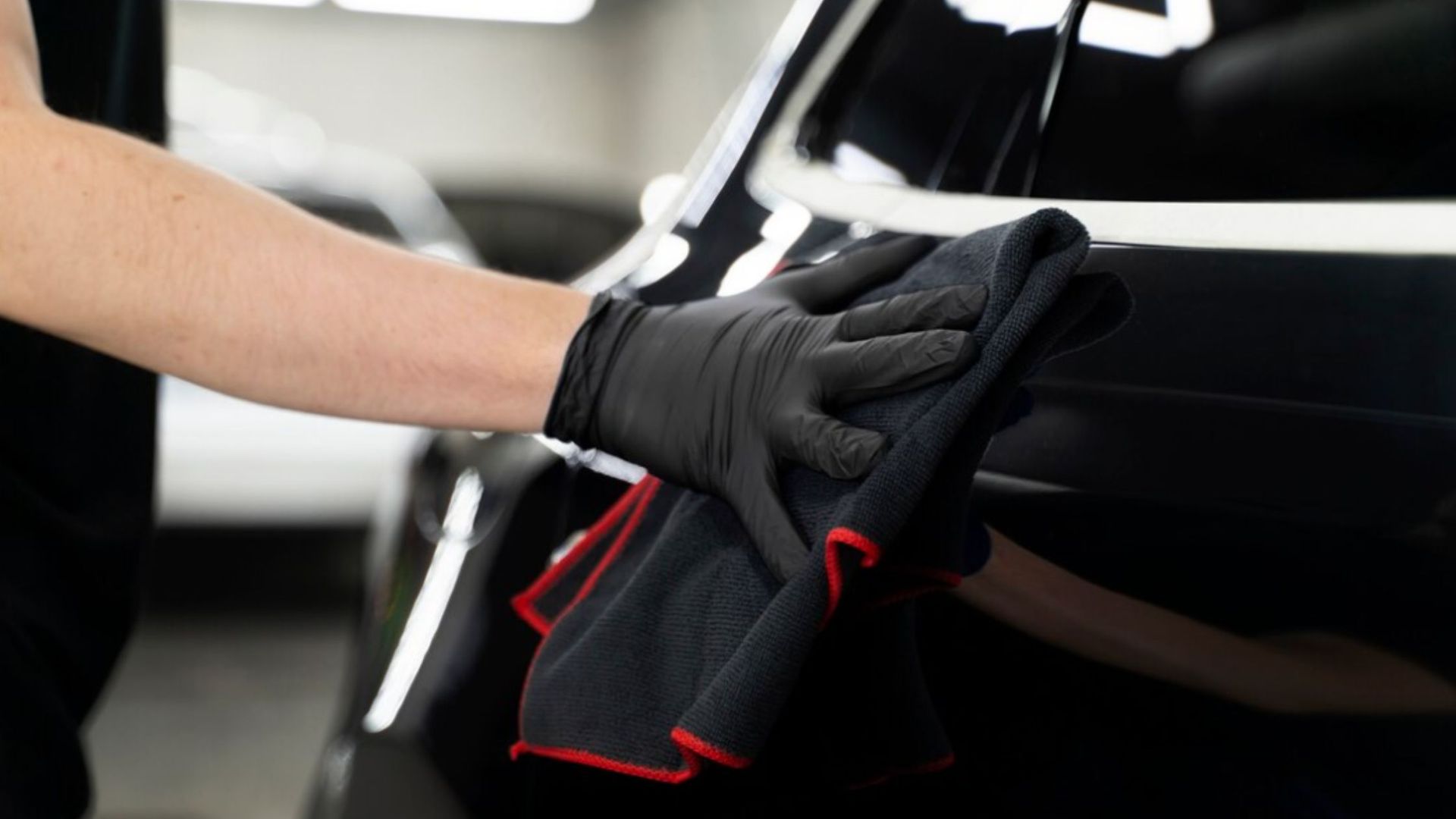
Technicians wipe down every panel with an isopropyl alcohol prep solution to remove remaining polishing oils. The liquid ceramic coating is then carefully applied by hand in small cross-hatch sections using plush suede applicator blocks.
As the liquid coating flashes on the panel, the installer monitors the cure timing and levels the surface using ultra-soft microfiber towels to prevent high spots or uneven streaks.
Phase 4: Environmental Curing Protocol
After application, the coating is allowed to cure according to the selected product and package. Darker Image Auto Studio lists a one-day turnaround for its 2-year package and a one- to two-day turnaround for its 5- and 9-year packages, with infrared curing included on the 5- and 9-year options.
Frequently Asked Questions
How long does a ceramic coating last on a daily driver in Maryland?
Darker Image Auto Studio offers 2-, 5-, and 9-year ceramic coating packages. Actual service life depends on the selected package, vehicle exposure, and maintenance. Regular hand washing with a pH-neutral shampoo and following the installer's aftercare guidance help the coating perform as intended.
Can a ceramic coating prevent rock chips on Baltimore highways?
No, ceramic coatings cannot prevent rock chips, gravel impact, or deep scratches. They add resistance to chemical staining, UV exposure, and ordinary contamination while making the surface easier to clean. For physical impact protection against flying highway debris along I-95, installing Paint Protection Film (PPF) is recommended.
How often should I wash my ceramic-coated daily driver in winter?
You should wash your ceramic-coated daily driver every one to two weeks during winter, or rinse the lower body panels shortly after major snowstorms. Promptly removing road salt slurry and liquid magnesium chloride prevents mineral buildup and keeps the coating's hydrophobic self-cleaning properties working at peak levels.
Will automatic car washes ruin a ceramic coating on a daily driver?
Yes, automated car washes with spinning nylon brushes will damage a ceramic coating by scratching the surface with trapped dirt from previous cars. These aggressive brushes create deep swirl marks and physically wear down the coating layer. Daily driver owners should hand wash using the two-bucket method or use touchless wash bays.
Is paint correction required before ceramic coating a daily driver?
Paint correction is commonly recommended when visible swirls, haze, water spots, or other correctable defects are present. Darker Image Auto Studio's ceramic packages include Level 1 paint correction with a goal of 50%+ defect removal, helping prepare the finish before coating application.
Making the Best Decision for Your Vehicle in Baltimore
Protecting a daily driver requires a durable surface defense system capable of standing up to road salt, summer heat, atmospheric fallout, and frequent driving. Traditional waxes wear away more quickly under real-world commuter conditions, leaving paint more exposed to oxidation, etching, and premature aging. Investing in a professional ceramic coating adds a durable, hydrophobic layer that simplifies routine cleaning, helps preserve paint depth, and can deliver strong long-term value with proper care.
When you are ready to shield your daily commuter with top-tier paint defense, working with experienced local specialists ensures your vehicle gets the precise care it needs. At Darker Image Auto Studio, our certified technicians specialize in professional window tinting, paint protection film, and custom ceramic coating applications tailored to daily drivers and luxury vehicles alike.