Can Paint Protection Film Protect Headlights From Road Debris and Surface Damage?
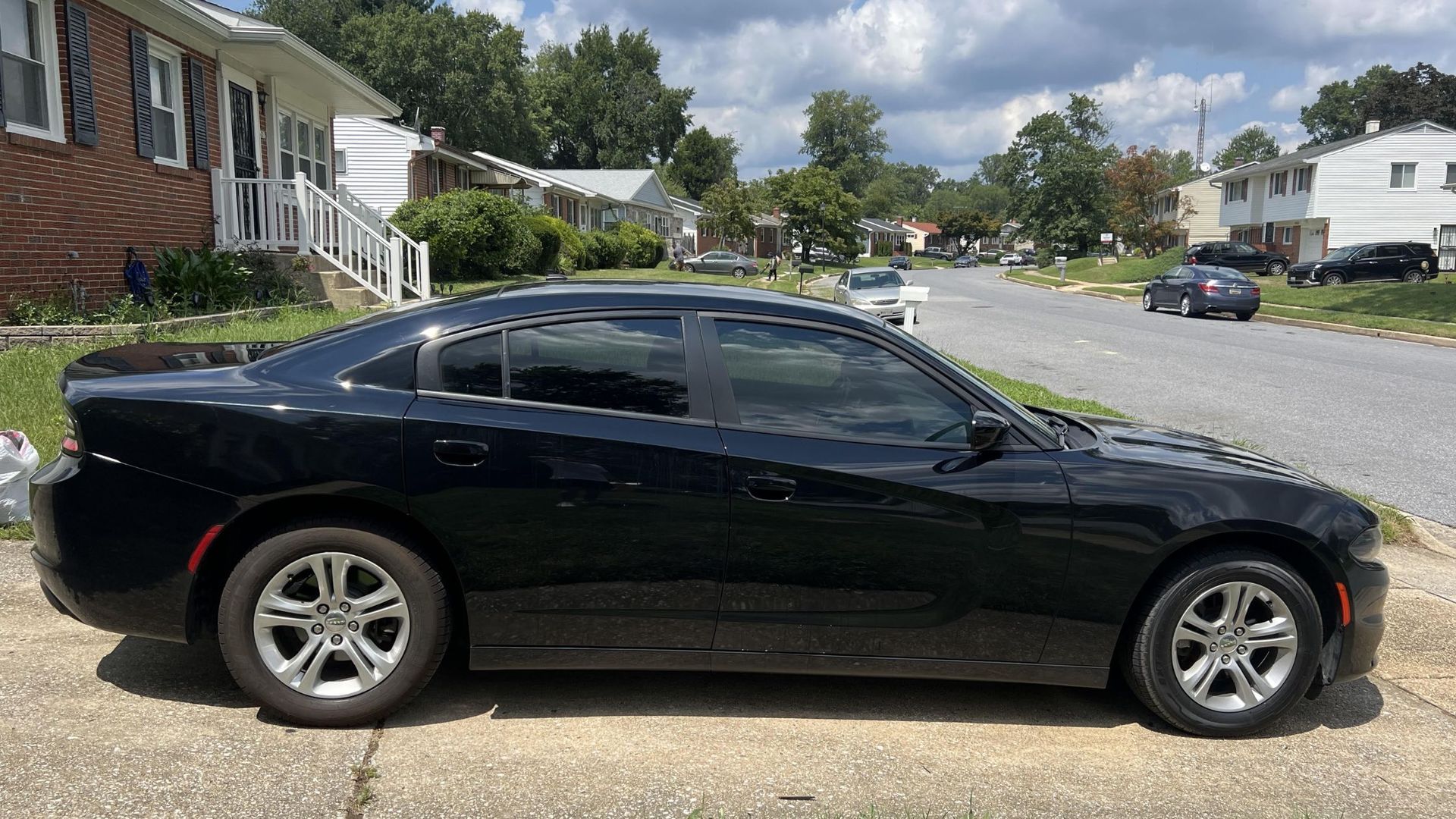
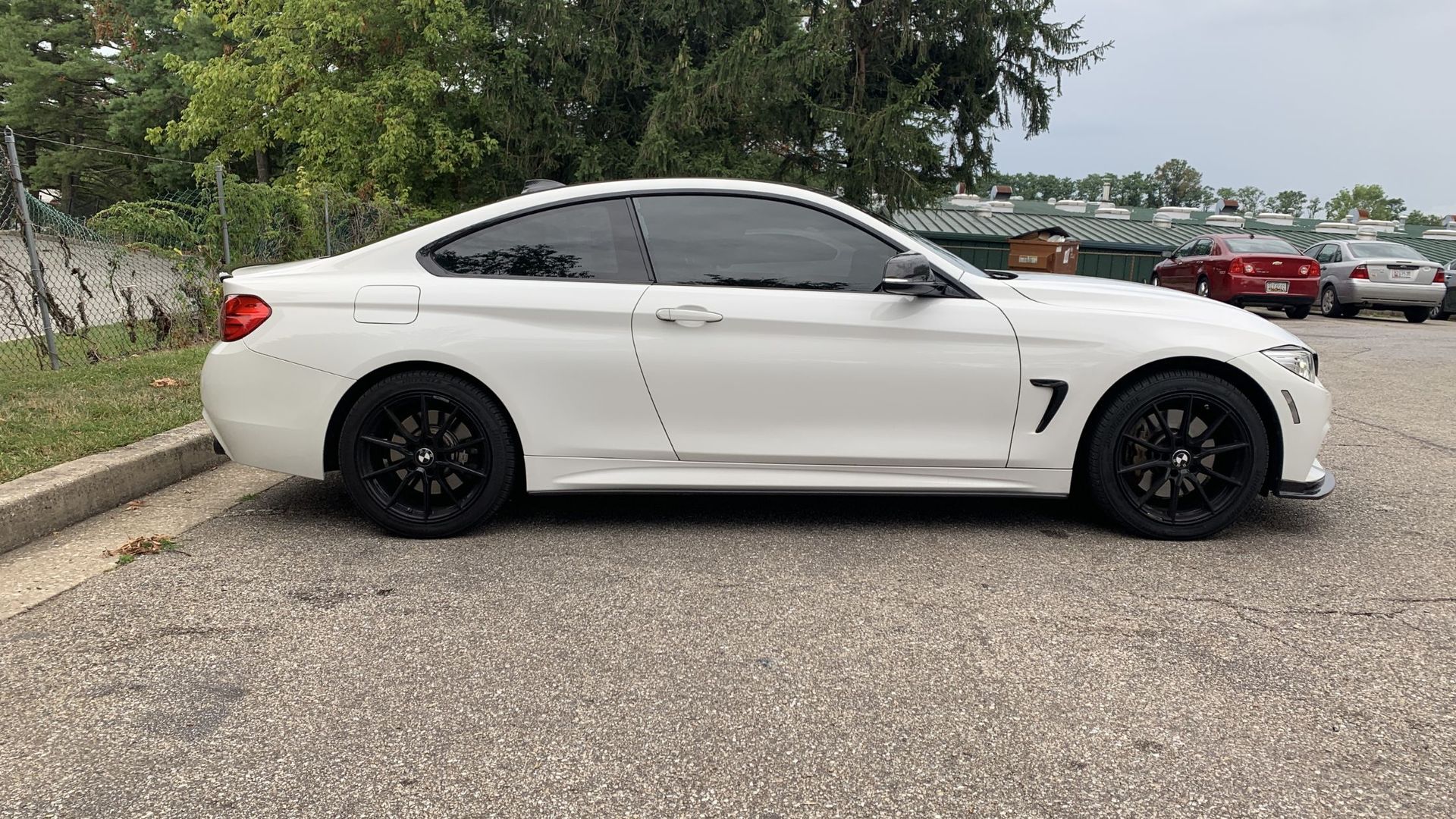
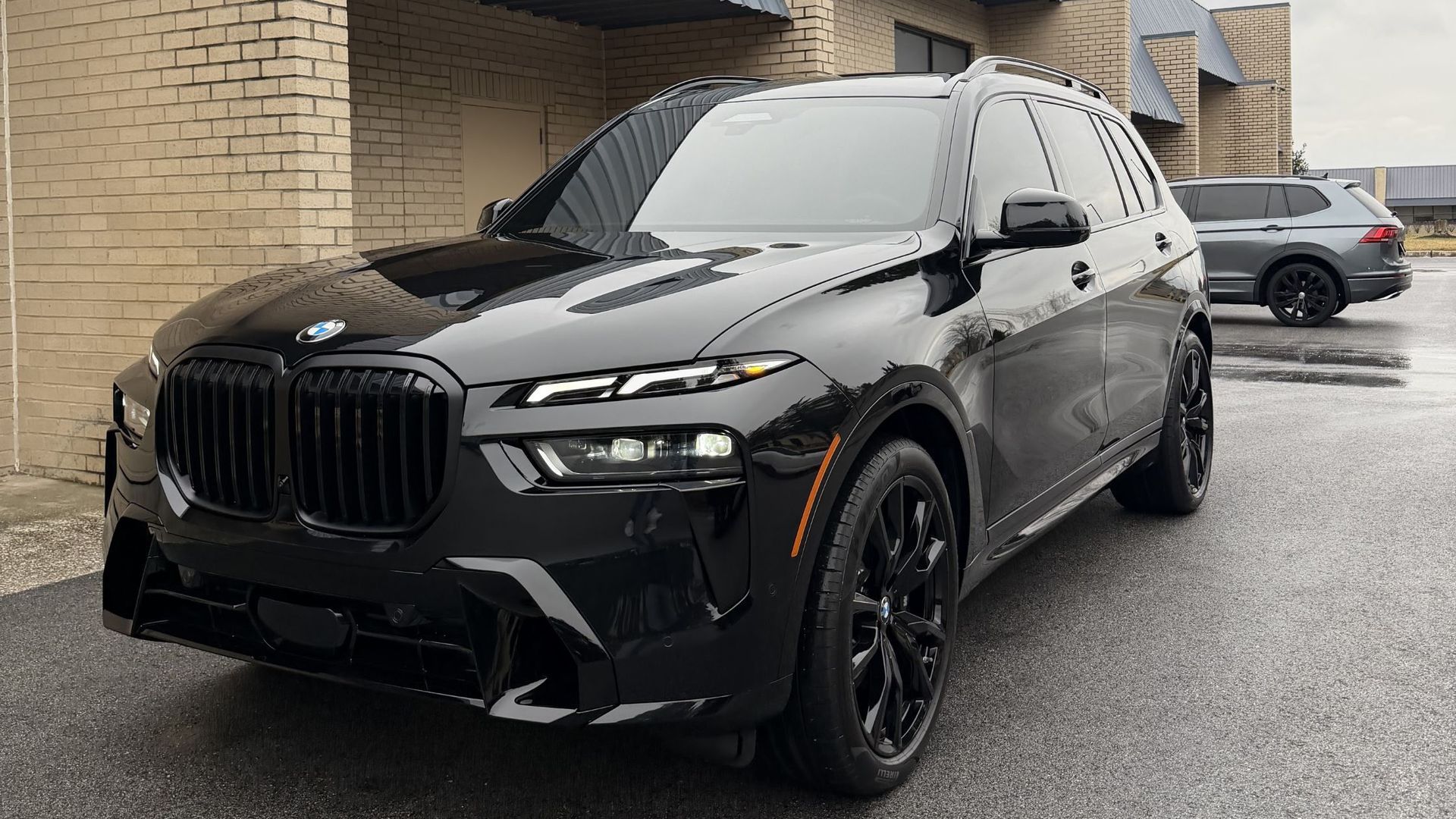
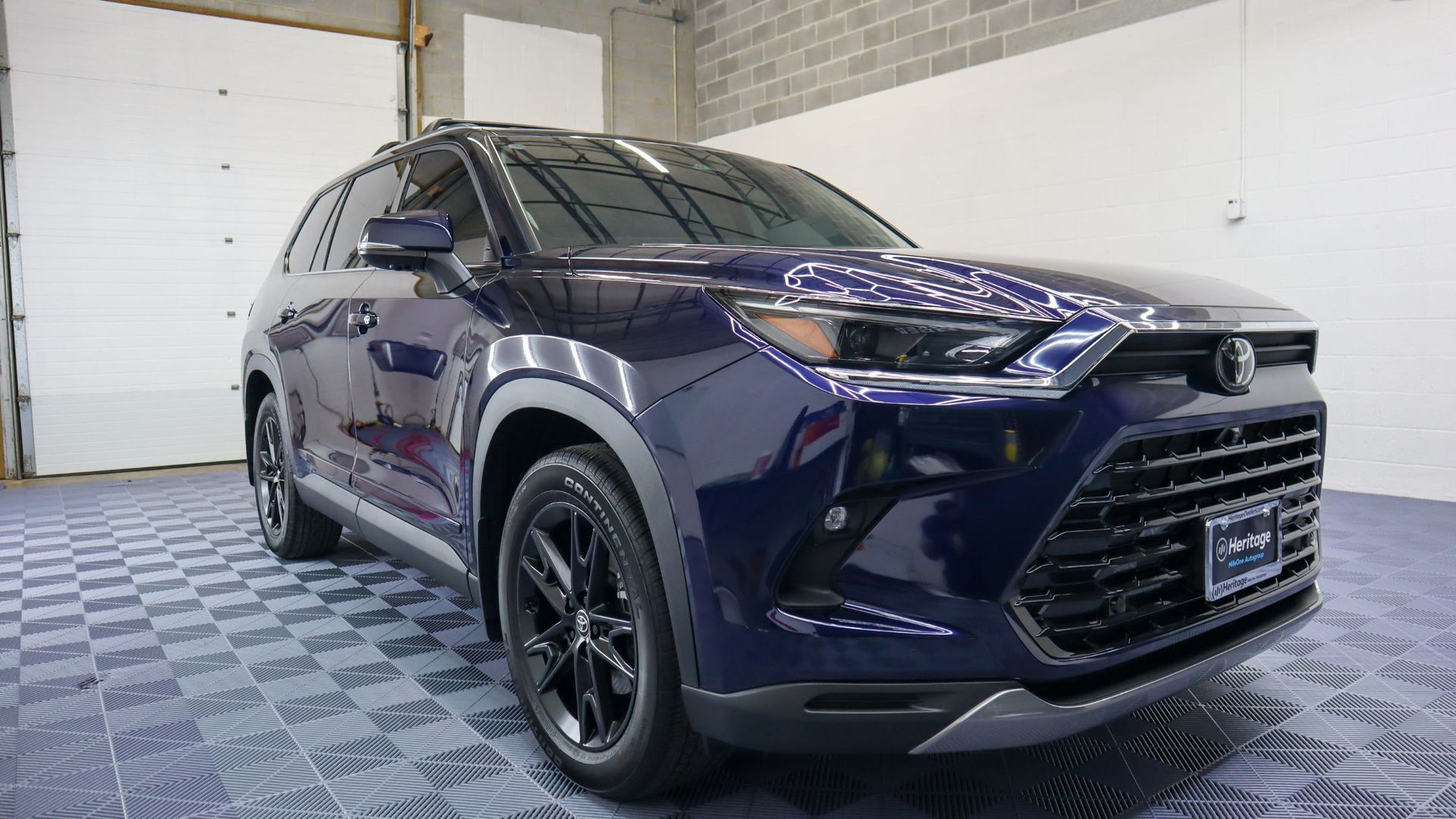
Yes. Paint protection film can be applied to compatible headlight lenses to create a transparent sacrificial barrier against road debris, light scratches, surface abrasion, and small stone impacts. A professional Paint protection film service can include headlight coverage as part of front-end PPF in Baltimore, MD, helping protect lenses that sit directly in the path of highway debris.
Headlight PPF does not make the lens unbreakable. Its purpose is to reduce everyday surface damage and allow the replaceable film to absorb minor wear before it reaches the lens itself.
How Does Headlight PPF Protect the Lens?
Headlight PPF places a clear polyurethane layer over the exposed lens. When small debris strikes the front of the vehicle, it reaches the film first.
This can help reduce:
- Fine pitting
- Light scratches
- Surface scuffs
- Minor stone impacts
- Abrasion from road grit
The film works as a sacrificial layer, much like PPF installed on painted body panels.
How Does PPF in Baltimore, MD Protect Headlights During Daily Driving?
PPF in Baltimore, MD can be particularly useful on headlights because they sit at the front of the vehicle and constantly face debris thrown up by surrounding traffic.
Highway and city driving can expose lenses to:
- Small stones
- Gravel
- Road grit
- Salt
- Sand
- Construction debris
Even when an impact is not strong enough to crack the lens, repeated contact can gradually create visible pitting and surface wear.
Why Are Headlights Vulnerable to Road Debris?
Modern headlight assemblies often use polycarbonate outer lenses rather than traditional glass. Polycarbonate is strong and lightweight, but its outer surface can still become scratched or pitted. Headlights also have little protection from their position on the vehicle.
They face the same debris as the bumper and hood, but unlike painted panels, replacing a modern headlight assembly can involve much more than simply refinishing a surface.
Can PPF Prevent a Headlight From Cracking?
PPF can absorb some minor impacts, but it cannot guarantee that the lens will never crack. A large rock or high-energy collision can still damage the headlight assembly. The best way to view headlight protection film is as protection against common surface wear rather than armor against every possible impact.
Can Headlight PPF Help With Surface Pitting?
Yes. Repeated contact with fine gravel and road debris can gradually create tiny pits across an exposed lens. With PPF installed, much of that everyday wear affects the film first.
When the film eventually becomes worn or heavily damaged, it can be replaced without automatically replacing the headlight lens underneath.
Does Headlight PPF Affect Light Output?
Quality transparent film should be installed to maintain optical clarity rather than significantly obstruct the headlight.
Installation quality matters because defects such as trapped contamination, poor positioning, excessive texture, or damaged film could affect appearance.
The film should be:
- Clear
- Smooth
- Properly fitted
- Free from significant bubbles
- Suitable for the lens surface
A professional installation is particularly important on headlights because they are functional lighting components, not just cosmetic panels.
Can PPF Help Protect Headlights From Winter Grime?
Yes. Headlights encounter large amounts of dirty road spray because of their position near the front bumper. During winter, that contamination may contain:
- Salt residue
- Fine road grit
- Dirty slush
- Sand
- Traffic grime
PPF gives those contaminants an outer film surface to contact first. Regular cleaning is still necessary because dirty film can reduce clarity even when the lens underneath remains protected.
Are Headlights Included in Front-End PPF Coverage?
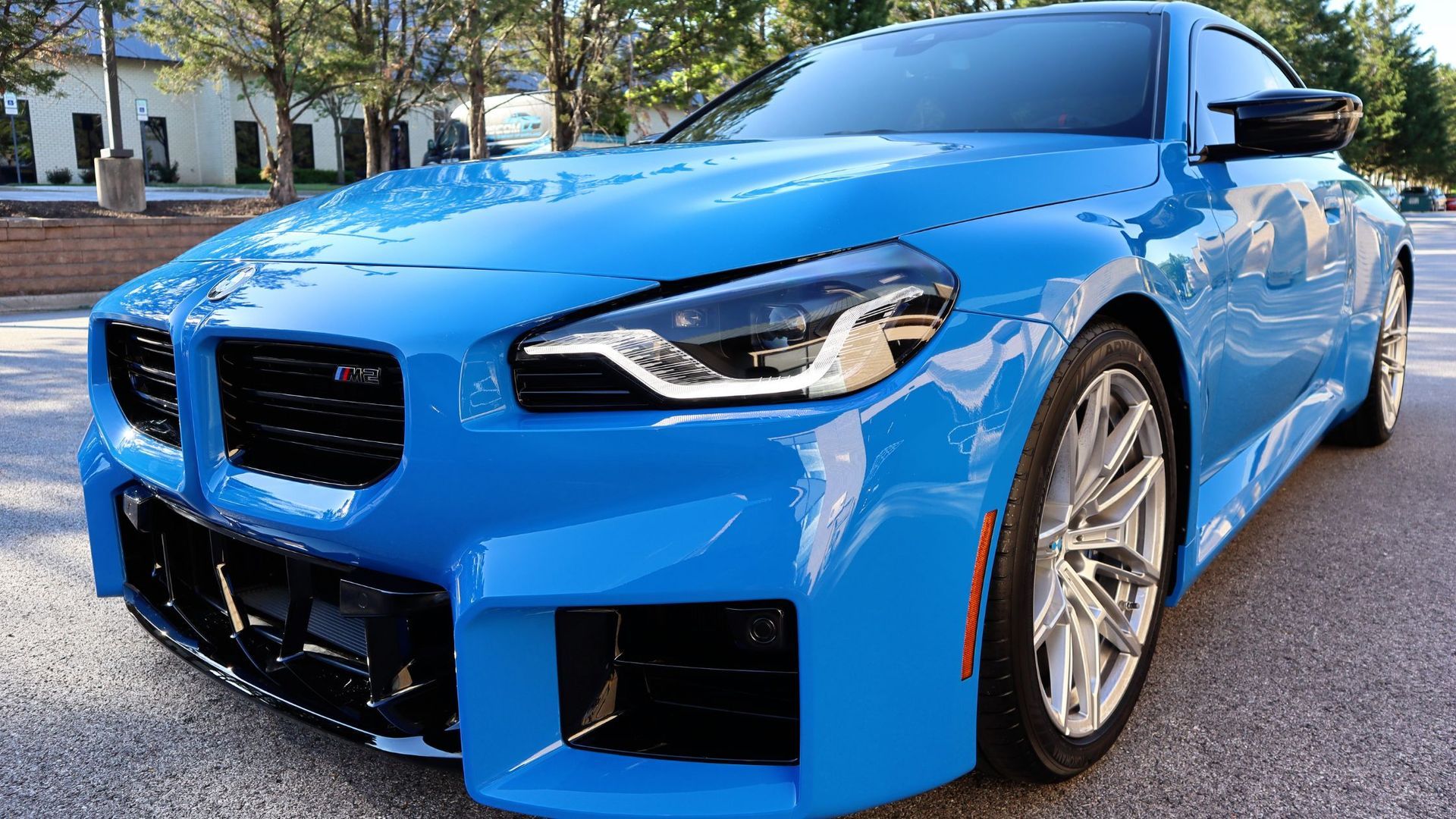
They can be. Current Partial Front and Full Front PPF packages include both headlights and fog lights along with other high-impact areas such as the bumper, hood, fenders, and mirrors.
This creates more complete front-end protection because road debris does not strike only painted panels.
Can Headlight PPF Self-Heal Light Surface Marks?
Quality self-healing PPF can reduce certain fine surface scratches when the film warms appropriately. This may help with light wash marks or superficial marring in the film but It will not repair:
- Deep cuts
- Punctures
- Severe stone damage
- Cracked lenses
- Damage underneath the film
Self-healing should not be confused with structural repair.
Can PPF Be Installed Over Already Scratched Headlights?
It can sometimes be installed, but transparent film will not erase existing damage underneath. A lens with heavy oxidation, cracking, deep scratches, or other deterioration should be evaluated first.
PPF works best as preventive protection over a suitable surface rather than as a way to conceal an already failing headlight.
Does Headlight PPF Need Special Maintenance?
Maintenance is straightforward, but aggressive cleaning should be avoided.
Good care includes:
- Regular washing
- Soft microfiber drying
- Avoiding abrasive brushes
- Removing bug residue promptly
- Avoiding harsh solvents
- Inspecting film edges occasionally
If the film becomes deeply scratched or begins lifting, replacement may be more appropriate than trying to polish it aggressively.
Can Only the Headlight Film Be Replaced?
Yes. A damaged piece of paint protection film for headlights can generally be handled separately from PPF on the hood, bumper, or fenders. That modular approach is useful because headlights may experience different levels of road exposure from surrounding painted surfaces.
A worn headlight section does not automatically mean all front-end film must be replaced.
Is Headlight PPF Useful on a New Vehicle?
Yes. Preventive protection is most effective before the lens accumulates extensive pitting and scratches. Installing film early gives debris another layer to hit before reaching the original lens surface.
This can be particularly useful for vehicles that spend significant time:
- On highways
- In construction zones
- Behind heavy traffic
- On roads with loose gravel
- Driving year-round in changing conditions
How Is Headlight PPF Different From Tint Film?
Headlight PPF is primarily designed for physical protection.
Dark decorative headlight films or tint products serve a different purpose and may affect appearance or light transmission.
A clear protective film is intended to preserve lens clarity while providing a sacrificial barrier against road wear.
FAQs About Headlight PPF
Can PPF be installed over fog lights too?
Yes. Compatible fog lights can also receive protective film, and current front-end packages include fog-light coverage.
Does heat from LED headlights damage PPF?
Quality automotive protective film is designed for exterior vehicle conditions, but product compatibility and installation quality still matter.
Can a pressure washer be used on headlight PPF?
Yes, with care. Avoid placing the nozzle very close to film edges or directing concentrated pressure underneath them.
Should cloudy headlights be restored before PPF?
If cloudiness comes from lens deterioration, restoration may need to be considered before film installation because transparent PPF will not correct the underlying condition.
Can PPF be applied to replacement headlights?
Yes. Protecting a new replacement lens before extensive road exposure can help reduce future pitting and surface damage.
Protect Headlights Before Road Wear Accumulates
Headlight PPF provides a clear sacrificial layer against road grit, light scratches, minor stone impacts, and everyday abrasion. It cannot prevent every severe impact, but it can reduce the surface wear that headlights accumulate over time.
For drivers considering PPF in Baltimore, MD, Darker Image Auto Studio includes headlights and fog lights in its current Partial Front and Full Front protection packages. Its 5 Star Google rating provides an additional trust signal for drivers evaluating local PPF installers. To determine the right front-end coverage for your vehicle, contact us to discuss the available options.