Why Is Paint Correction Recommended Before Ceramic Coating Application?
Paint correction is commonly recommended before applying a ceramic coating because the coating is transparent and will not conceal scratches, swirl marks, oxidation, or water spots. When appropriate for the paint's condition, correction refines the clear coat, reduces visible defects, and helps create a clean surface for consistent coating adhesion. Vehicle owners seeking high-end ceramic coating in Baltimore MD should prioritize professional inspection and proper preparation to achieve strong gloss, hydrophobic performance, and long-lasting durability.
Is Paint Correction Always Necessary Before Applying Ceramic Coating?
Paint correction is recommended before ceramic coating when the surface has correctable defects or when improved gloss is desired. Even brand-new vehicles can have minor swirl marks, transit scratches, or paint roughness, but the appropriate preparation should be based on a professional inspection rather than a universal rule. Applying a coating without addressing visible defects leaves those defects visible beneath the transparent protective layer.
To understand why this preparation phase matters, consider that ceramic coatings perform best on a thoroughly cleaned and properly prepared surface. Embedded contaminants, old protection products, road grime, and polishing residue can interfere with consistent application and bonding.
Vehicles driven around Federal Hill or parked along the Inner Harbor are exposed to urban pollutants, industrial fallout, and atmospheric moisture. Skipping surface preparation allows contamination to remain between the clear coat and the liquid ceramic formula. Over time, inadequate preparation can reduce coating performance and contribute to premature wear.
While a brand-new vehicle may need only light preparation, an older daily driver can require more correction depending on its paint condition. The installer should select the safest appropriate approach after inspecting the surface.
What Happens If You Skip Paint Correction Before Ceramic Coating?
Skipping needed paint correction before applying a ceramic coating can leave visual defects clearly visible and may reduce the final gloss. Inadequate cleaning and decontamination can also interfere with coating performance, although correction requirements depend on the condition of the paint.
Understanding the specific consequences of bypassing this crucial step helps car owners make informed decisions about their vehicle preservation strategy.
Swirl Marks and Scratches Remain Visible
Ceramic coatings create a transparent protective barrier that hardens upon curing. When light hits an uncorrected clear coat, microscopic scratches and circular swirl marks reflect light unevenly, creating a hazy appearance.
If you apply a coating directly over these defects, they remain visible beneath the transparent layer. Correcting them later may require polishing that reduces or removes the coating in the affected area, followed by reapplication.
Reduced Chemical Bonding and Coating Longevity
Nano-ceramic coatings rely on direct molecular bonding with the bare clear coat of your vehicle. Residual waxes, silicone glazes, traffic film, and iron deposits create a physical barrier that prevents this bonding process.
When liquid coating is applied over contamination or residue, adhesion and uniform performance can be compromised. Thorough decontamination and panel preparation help create a suitable application surface.
Dull or Uneven Gloss Finish
The reflective luster of a vehicle comes from a smooth, flat paint surface that bounces light back cleanly. Scratched and oxidized clear coat scatters light rays in multiple directions, making the finish look flat and muted.
Ceramic coatings do not correct the surface beneath them. If the paint is dull or heavily swirled, the finished result may still lack the clarity and depth possible after appropriate correction.
How Does Surface Preparation for Automotive Coating Work?
Proper surface preparation for automotive coating is a systematic multi-step process designed to clean, strip, and smooth the vehicle's exterior before any protective layer is applied. Detailing professionals use specialized tools, chemical cleaners, and mechanical polishes to restore the clear coat to a pristine condition.
Completing the preparation steps appropriate for the vehicle supports consistent application and helps the coating perform as intended.
Stage 1: Chemical and Mechanical Decontamination
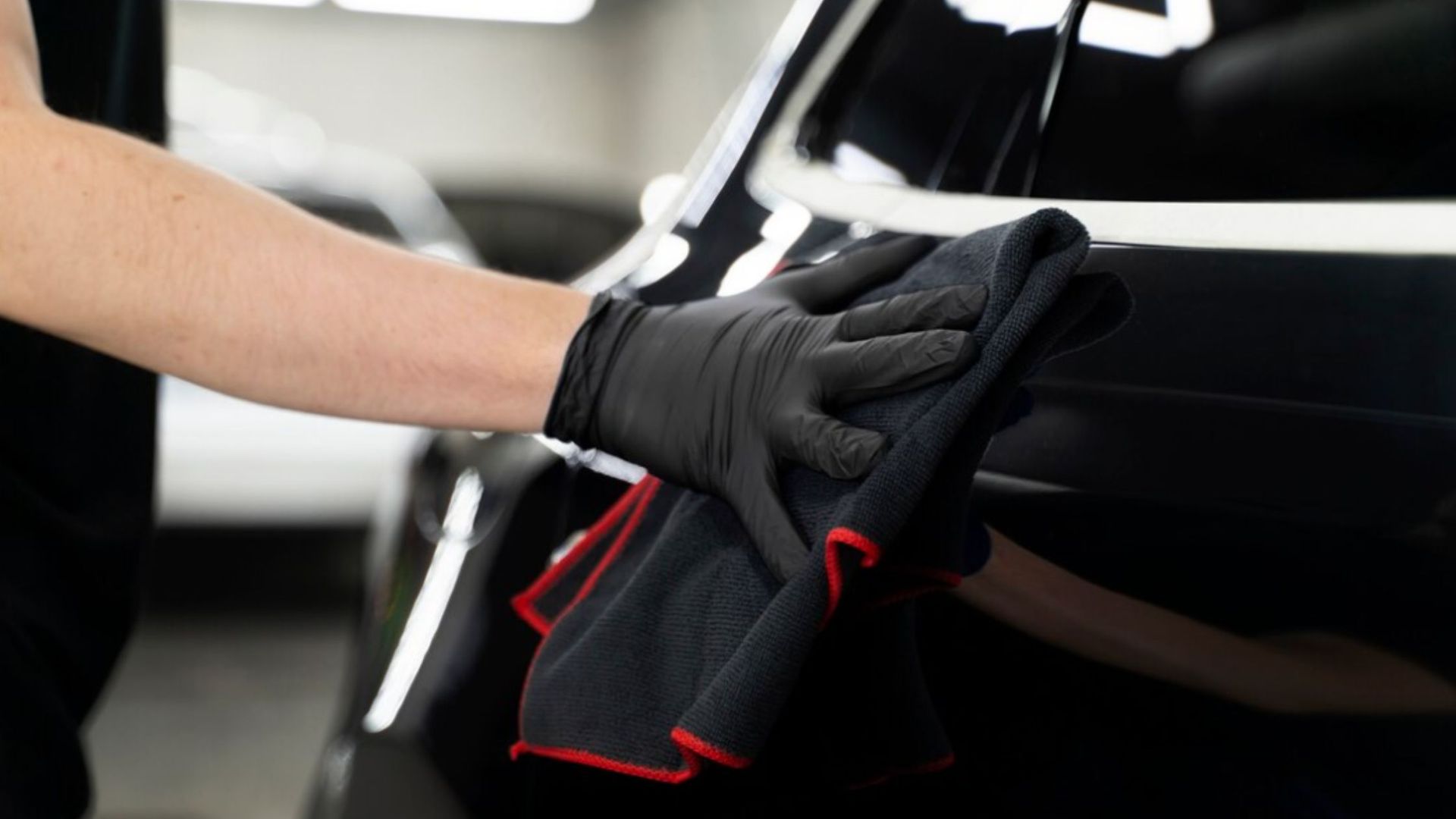
The preparation process begins with a thorough multi-bucket hand wash using a pH-neutral strip soap designed to remove existing waxes and road oils. Next, an iron remover chemical spray is applied to dissolve embedded ferrous metal particles caused by brake dust and highway travel.
After chemical decontamination, technicians use a synthetic clay bar with dedicated lubricant across all exterior panels. The clay bar glides over the surface, pulling out stubborn embedded tree sap, overspray, and road tar that normal washing cannot remove.
Stage 2: Polishing Vehicle Paint Before Coating
Once the surface is completely smooth to the touch, technicians begin polishing vehicle paint before coating application. Depending on the condition of the clear coat, this step utilizes rotary or dual-action orbital polishers paired with specific foam or microfiber pads and abrasive polishing compounds.
During this stage, polishing carefully refines a small amount of clear coat around correctable defects. The goal is to improve clarity and gloss while preserving as much clear coat as possible.
Stage 3: Isopropyl Alcohol (IPA) Wipe Down
After machine polishing is completed, residual polishing oils and lubricants remain on the paint finish. These leftover lubricants can prevent liquid ceramic coatings from properly sticking to the clear coat.
Technicians perform a meticulous wipe-down using an isopropyl alcohol solution or dedicated panel preparation spray. This step removes residual oils and prepares a clean surface for coating installation.
| Preparation Level | Typical Surface Condition | Possible Approach | Important Note |
|---|---|---|---|
| Light Refinement | Minor micro-marring, light haze, or fine wash-induced scratches | A light polishing step may improve gloss and clarity | Darker Image's ceramic packages include Level 1 paint correction with a goal of 50%+ defect removal |
| Additional Correction | Moderate swirl marks, etching, or more visible defects | Additional polishing may be considered after inspection | Availability, expected results, and pricing should be confirmed with the installer |
| Severe Defects | Deep scratches, heavy oxidation, or damage through the clear coat | May require specialized correction or body-shop repair | Not every defect can or should be fully removed |
Why Local Weather Makes Proper Surface Preparation Important
Vehicles driven throughout Maryland face harsh environmental conditions that aggressively attack automotive paint finishes throughout every season of the year. From humid summer air along the Chesapeake Bay to heavy winter road treatments in urban corridors, local drivers experience a wide range of surface contaminants.
Understanding how regional climate elements affect clear-coat conditions shows why professional inspection, decontamination, and appropriate correction matter before ceramic coating.
- Winter Road Salt and Brine: Snow clearance crews heavily treat roads near Canton, Fells Point, and surrounding highway routes with liquid magnesium chloride and rock salt. These corrosive compounds adhere to lower vehicle panels, etching into unprotected clear coats.
- High Summer Humidity and Moisture: Moisture off the Patapsco River combined with intense summer heat creates atmospheric humidity that bakes water spots and mineral deposits deep into clear coats.
- Tree Sap and Organic Fallout: Parking near wooded neighborhoods like Mount Vernon or suburban residential streets leaves vehicles vulnerable to sticky tree sap, acid-heavy bird droppings, and pollen.
- Industrial and Highway Air Pollution: Heavy traffic congestion along the Baltimore Beltway (I-695) deposits fine metallic brake dust and exhaust particles directly onto hot vehicle body panels.
Allowing these environmental factors to remain on the vehicle can create staining, etching, and roughness across the clear coat. Applying protection without first removing contamination or evaluating defects can compromise the appearance and coating performance.
Professional surface preparation improves clarity and creates a suitable foundation for a hydrophobic protective layer. If you have questions about inspecting your vehicle's current paint condition, you can contact us to schedule a professional evaluation with our team.
What Should You Expect When Getting Ceramic Coating in Baltimore MD?
When booking professional ceramic coating in Baltimore MD, you should expect a multi-step process that prioritizes paint inspection and surface preparation before application. The installer should evaluate visible defects and paint condition before selecting the appropriate preparation.
During the initial consultation, technicians can assess paint condition, visible defects, and the preparation appropriate for the vehicle. Ask the installer whether paint-depth measurements or additional correction steps are recommended for your specific finish.
The professional ceramic coating installation process can include the following stages:
- Vehicle Arrival & Initial Inspection: The vehicle is evaluated for overall cleanliness, visible defects, and signs of prior body work or repainted panels.
- Paint and Defect Assessment: Technicians evaluate scratch severity and determine the appropriate preparation.
- Chemical & Clay Bar Decontamination: Iron removers, tar solvents, and synthetic clay bars strip away embedded surface contamination.
- Level 1 Paint Correction: Darker Image's listed ceramic packages include Level 1 correction with a goal of 50%+ defect removal.
- Panel Prep Wipe (IPA Cleanse): Isopropyl alcohol or specialized panel prep sprays remove lingering compounding oils and prepare the surface.
- Precision Hand Ceramic Application: Liquid SiO2 nano-coating is carefully applied panel by panel in cross-hatch patterns using foam blocks and suede towels.
- Package-Specific Curing: The coating cures according to the selected package; Darker Image lists infrared curing for its 5- and 9-year options.
Preparation and correction represent a substantial part of a professional coating service. The actual hand application takes place only after the paint has been properly cleaned and prepared.
After application, the coating must cure according to the selected product and package. Darker Image lists a one-day turnaround for its 2-year option and one- to two-day turnarounds for its 5- and 9-year options. Follow the installer's post-care instructions and any applicable warranty requirements.
How to Determine Which Level of Paint Correction Your Vehicle Requires
Determining the appropriate level of paint correction depends on your vehicle's age, paint hardness, prior wash habits, and overall surface damage. Clear coat depth varies significantly across automobile manufacturers, requiring customized polishing approaches for different makes and models.
Evaluating paint condition correctly helps prevent over-polishing while identifying which defects can be safely improved.
Level 1 Paint Correction (Gloss Enhancement)
Level 1 correction uses a polishing step to reduce fine haze, minor wash marring, and dullness while improving gloss. Darker Image includes Level 1 correction in all three listed ceramic packages and aims for 50%+ defect removal.
- Published Target: Darker Image aims for 50%+ defect removal with Level 1 correction.
- Best For: Vehicles needing a practical improvement in gloss and common surface defects.
- Service Timing: Included within the published one- to two-day ceramic-package turnaround, depending on the selected package.
Additional Paint Correction (When Needed)
Vehicles with deeper scratches, heavier swirl marks, or significant etching may need correction beyond the included Level 1 service. The installer should determine whether additional polishing is safe and appropriate after inspecting the paint.
- Expected Result: Depends on defect depth, paint condition, and safe clear-coat limits.
- Availability and Pricing: Confirm additional correction options directly with the installer.
- Important Limitation: Some scratches or etching may be too deep for complete removal.
Severe Defects and Paint Damage
Deep scratches, heavy oxidation, severe water-spot etching, or damage through the clear coat may require specialized correction or body-shop repair. These conditions should be evaluated individually before a coating service is booked.
- Assessment Required: Results depend on the depth and type of damage.
- Paint Preservation: Not every defect should be chased if doing so would compromise the remaining clear coat.
- Next Step: Ask the installer whether correction, touch-up, repainting, or another repair is most appropriate.
What Are the Long-Term Benefits of Combining Paint Correction with Ceramic Coating?
Combining appropriate paint correction with a professional ceramic coating can improve long-term protection, appearance, and maintenance convenience. Rather than temporarily masking correctable defects, polishing refines the surface before the protective coating is applied.
Investing in this combined process delivers several distinct performance advantages for vehicle owners.
- Enhanced Depth and Clarity: Reducing surface defects allows the depth, metallic flake, and richness of the underlying paint color to show more clearly.
- Self-Cleaning Hydrophobic Properties: A smooth clear coat coated in nano-ceramic formulas repels water, mud, and road film, causing water to bead aggressively and carry dirt off the panel.
- Resistance to Chemical Staining: Sealed surfaces resist chemical etching caused by acidic bird droppings, squashed insects, and harsh alkaline road detergents.
- Potential Resale Appeal: A clean, glossy finish and documented protection can improve how a vehicle presents during a private sale or trade-in evaluation.
- Simplified Routine Maintenance: Washing your vehicle becomes significantly faster and easier because dirt cannot easily adhere to the slick, glass-like surface.
Frequently Asked Questions
Can I skip paint correction if my vehicle is brand new from the dealership?
A brand-new vehicle should be inspected before coating, but correction needs vary. New cars can have industrial fallout, dealer-installed swirl marks, or transport-related contamination. Darker Image's listed ceramic packages include Level 1 correction, which is intended to improve the finish and prepare it for coating.
How much clear coat is removed during the paint correction process?
Paint correction removes a small amount of clear coat, but the amount varies with the paint system, products, tools, and defect depth. A professional should use the least aggressive effective method and preserve as much clear coat as possible. Ask whether paint-depth measurements are appropriate for the vehicle.
Will a ceramic coating hide existing scratches if I don't correct the paint?
No, ceramic coatings do not repair existing scratches, swirl marks, or rock chips. Because the coating is transparent, defects that are not corrected generally remain visible after application.
How long does a combined paint correction and ceramic coating process take?
Darker Image lists a one-day turnaround for its 2-year ceramic package and one- to two-day turnarounds for its 5- and 9-year packages. Additional correction or unusual paint conditions may affect scheduling, so confirm the timeline when requesting a quote.
How do I maintain my vehicle after paint correction and ceramic coating application?
To maintain your vehicle after ceramic coating application, wash it regularly by hand using a pH-neutral automotive shampoo and dry it with clean microfiber towels. Avoid automatic drive-through car washes with abrasive brushes. Use booster products only when they are compatible and recommended by the coating manufacturer or installer.
Protecting Your Vehicle’s Shine in Baltimore
Achieving a clear, glossy result that lasts requires starting with the proper foundation. Skipping necessary paint preparation can compromise appearance and coating performance. By reducing correctable defects, removing embedded contamination, and cleaning the panels properly, you help the ceramic coating deliver strong hydrophobic performance and gloss enhancement.
When you are ready to elevate and preserve your vehicle's appearance with premium ceramic coating in Baltimore MD, working with experienced, detail-oriented specialists makes all the difference. At Darker Image Auto Studio, we take pride in delivering unmatched craftsmanship, precision surface preparation, and long-lasting protection tailored to your vehicle's exact needs.