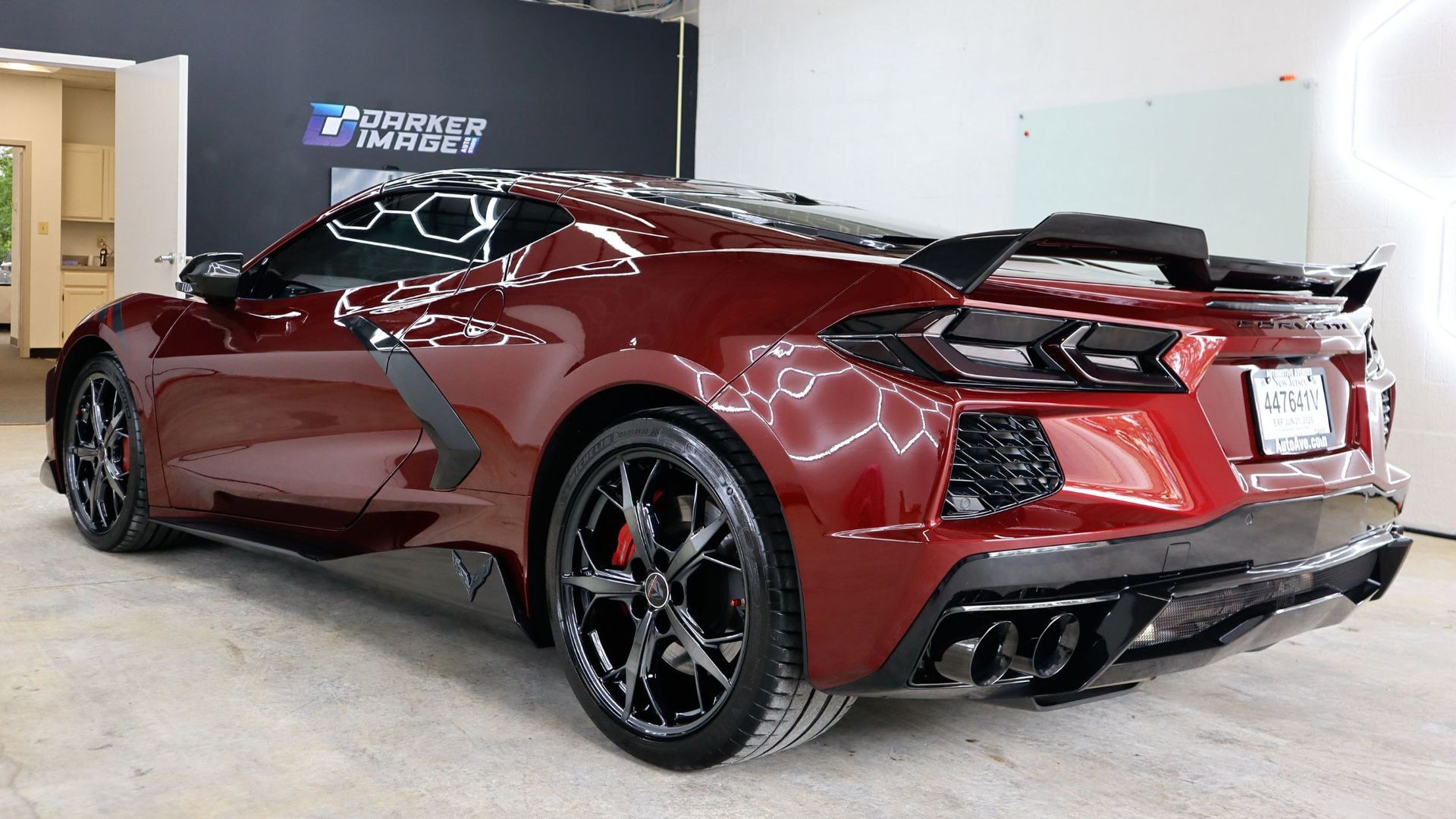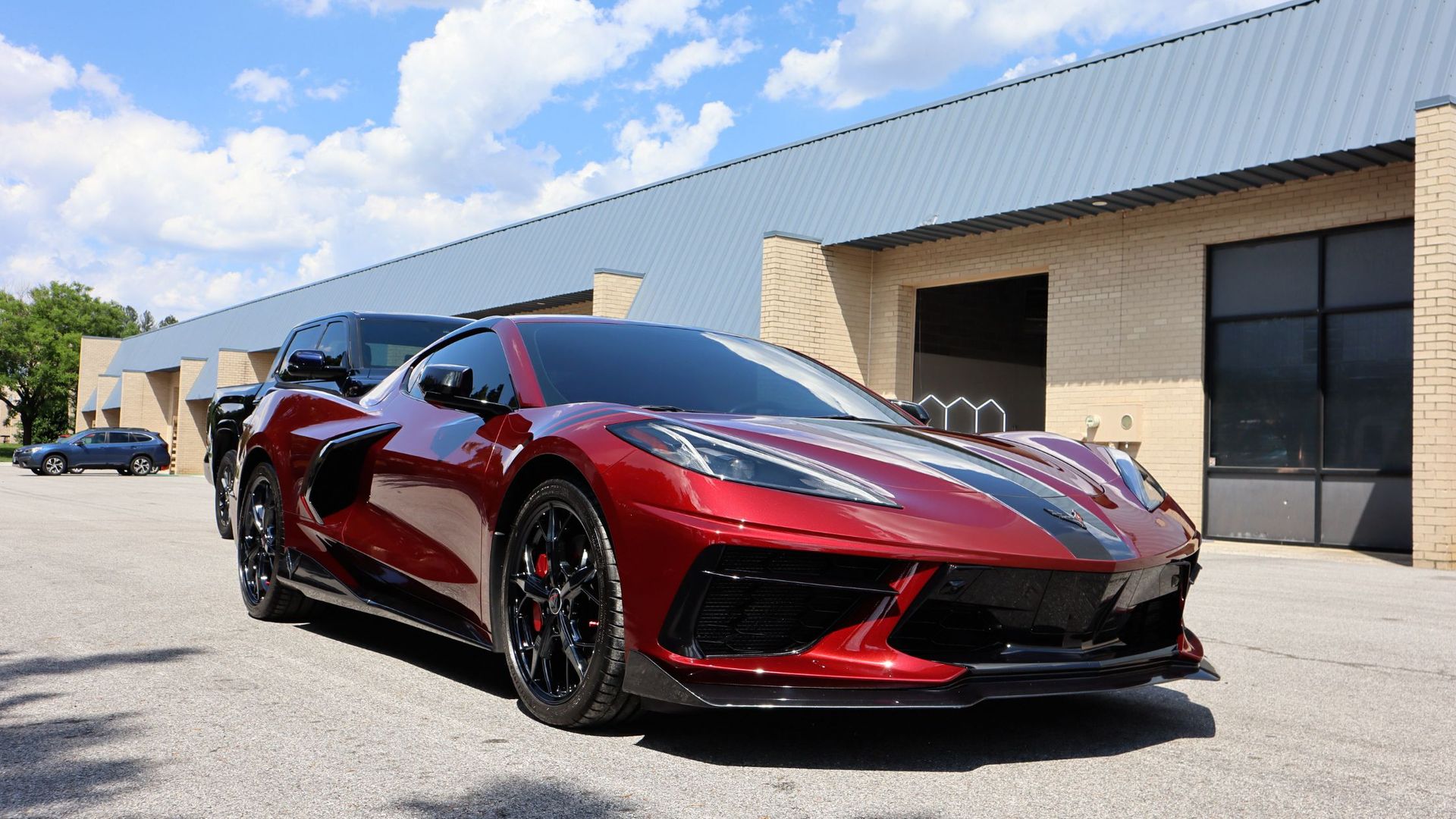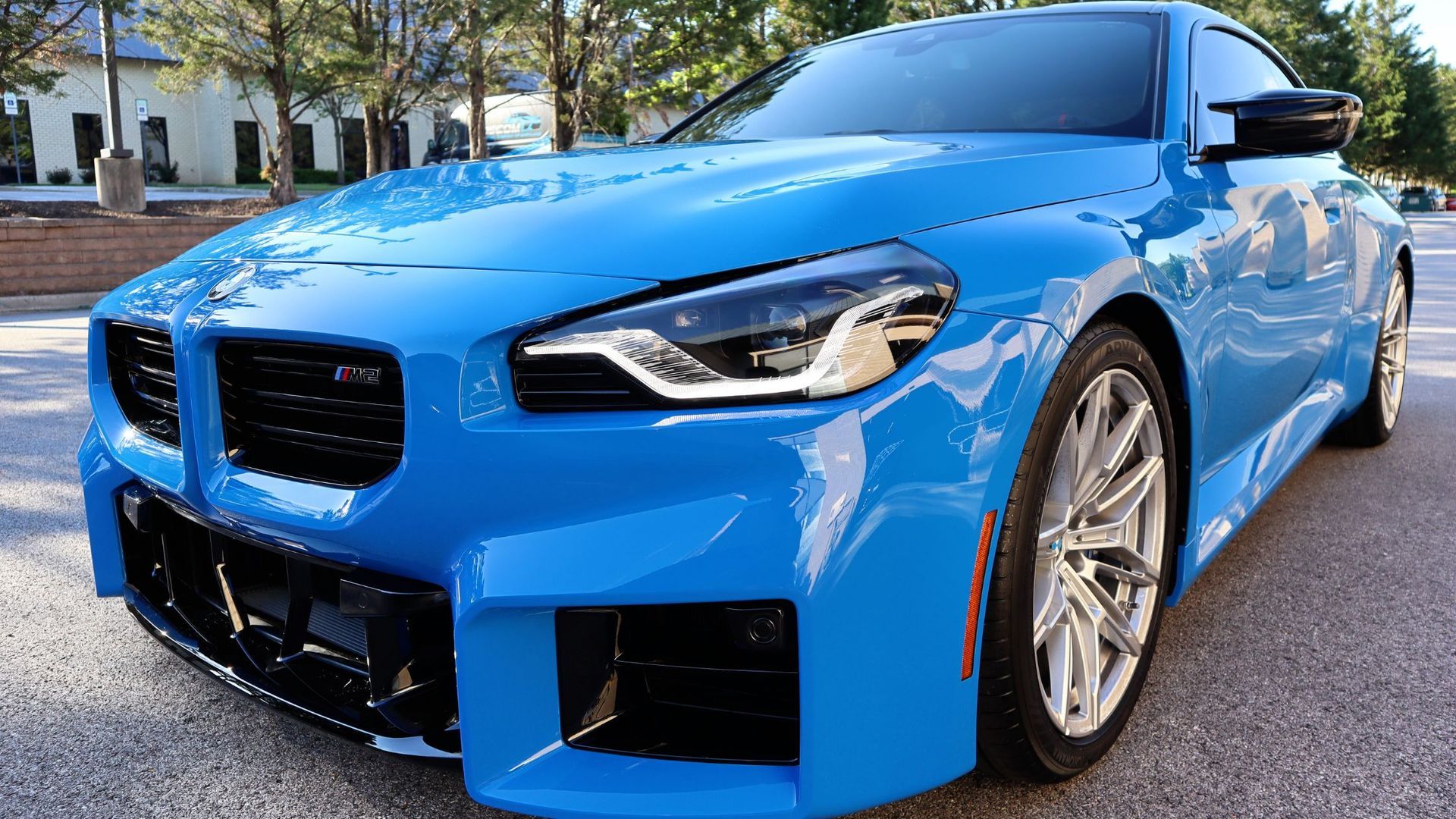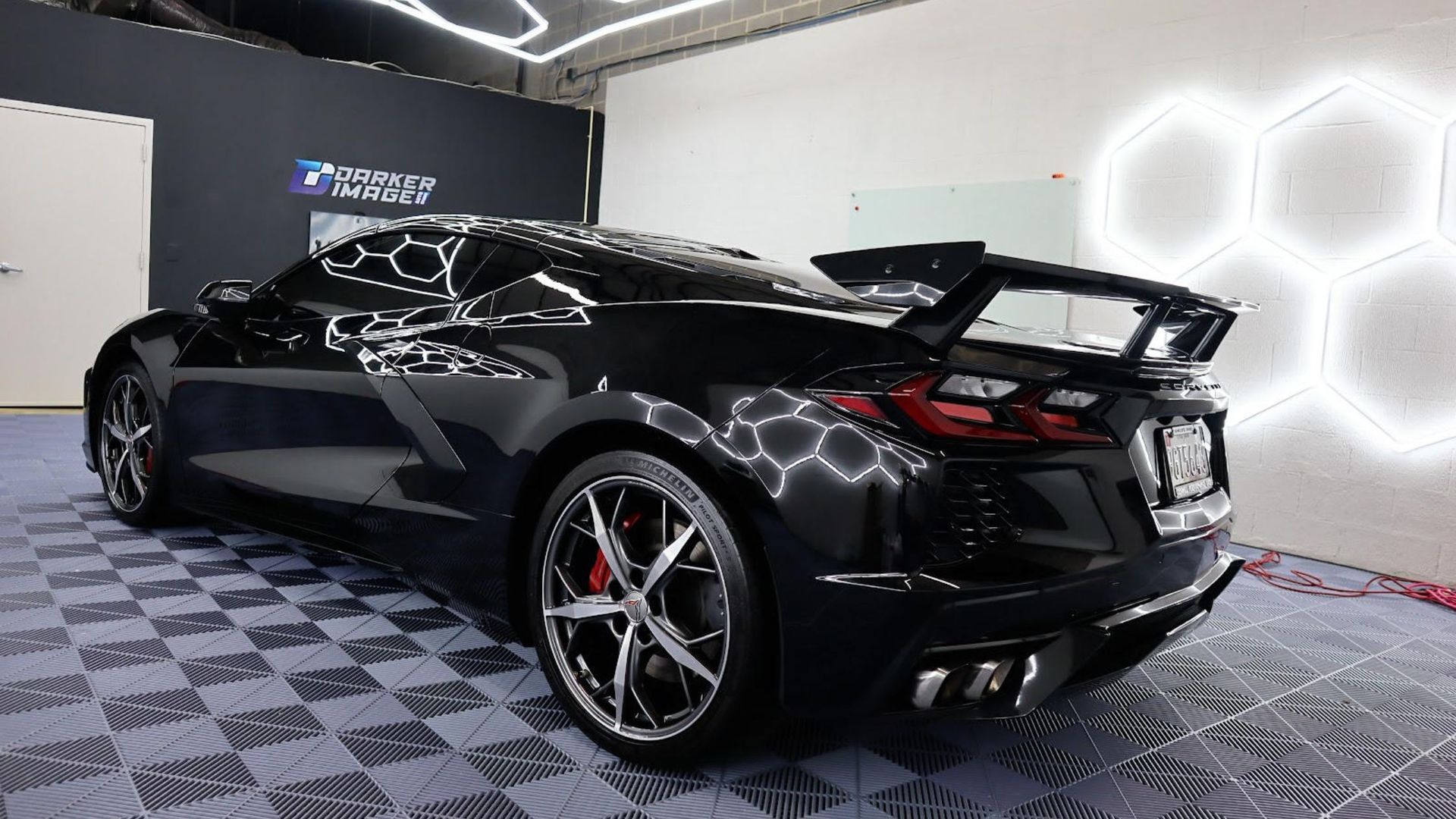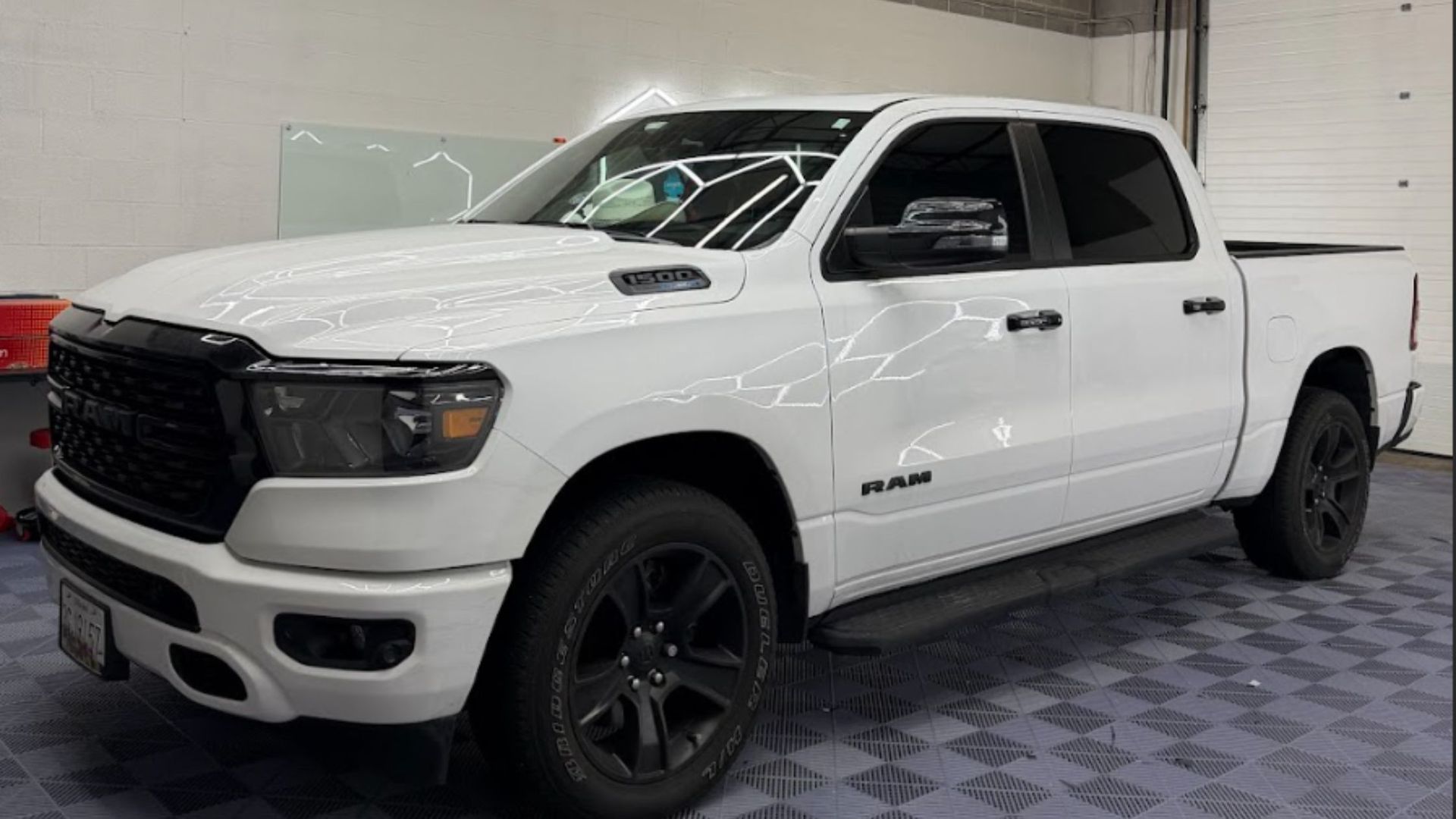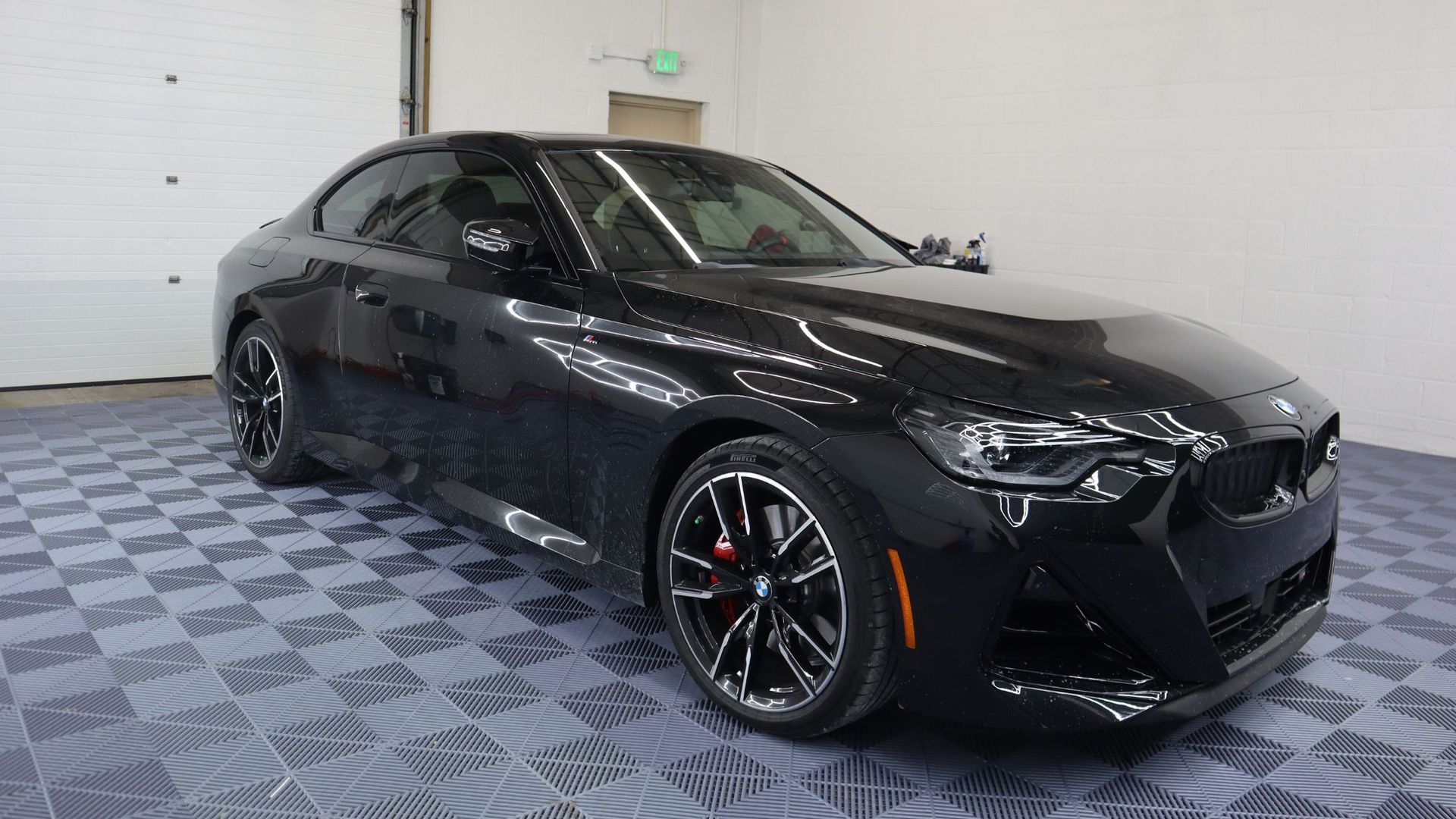
How Can Professional Ceramic Coating Help Preserve Your Vehicle’s Factory Finish?
Your vehicle's factory clear coat is thin, delicate, and constantly under attack from environmental hazards that cause permanent fading, chemical etching, and physical degradation. While routine washing removes loose dirt, it does nothing to prevent the slow breakdown of the underlying polyurethane layer. To stop this deterioration, investing in a professional ceramic coating in Baltimore MD is the absolute best way to shield your factory finish and maintain a flawless, high-gloss shine. This liquid nanotechnology chemically bonds with your paint at a molecular level, turning your vehicle's surface into an ultra-slick, highly durable shield that actively repels damage.
Does ceramic coating protect factory paint from fading and damage?
Yes, a ceramic coating provides exceptional protection for factory paint by acting as a highly durable, sacrificial glass barrier over the clear coat. It prevents fading by blocking harmful ultraviolet (UV) radiation and shields the surface from environmental damage such as acid rain, bird droppings, and road salt.
When your vehicle leaves the factory, its clear coat is completely smooth and highly reflective. However, daily exposure to solar radiation and chemical contaminants slowly breaks down the clear coat's molecular structure, leading to oxidation and a dull, faded appearance. A ceramic coating seals the microscopic pores of the clear coat, preventing these elements from contacting the paint directly.
Absorbing Destructive Ultraviolet Radiation
Factory clear coat is highly vulnerable to UV rays, which trigger a chemical reaction that breaks down the paint's polymer chains. This process, known as paint oxidation, causes the finish to take on a chalky, milky, or faded appearance over time. The active silicon dioxide ($SiO_2$) within a ceramic coating acts as a robust UV filter, absorbing solar radiation before it can reach and degrade your factory paint.
Resisting Acidic Chemical Etching
Organic acids from bird droppings, insect splatter, and acid rain can eat through a standard factory clear coat in a matter of hours under hot weather conditions. A professional ceramic coating is highly chemical-resistant, allowing it to withstand extreme pH levels without degrading. This resistance gives you a much larger window of time to wash off acidic contaminants before they can permanently etch into the paint.
Preventing Environmental Oxidation
The clear coat on your vehicle is naturally porous on a microscopic scale, meaning moisture, oxygen, and industrial chemicals can slowly seep into the surface. Over time, this exposure causes deep-seated oxidation that ruins the optical clarity of the paint. By filling in these microscopic pores with a flat, non-porous crystalline layer, a ceramic coating completely seals the factory finish from moisture and airborne pollutants.
Why Is Ceramic Coating in Baltimore MD Essential for Preserving New Cars?
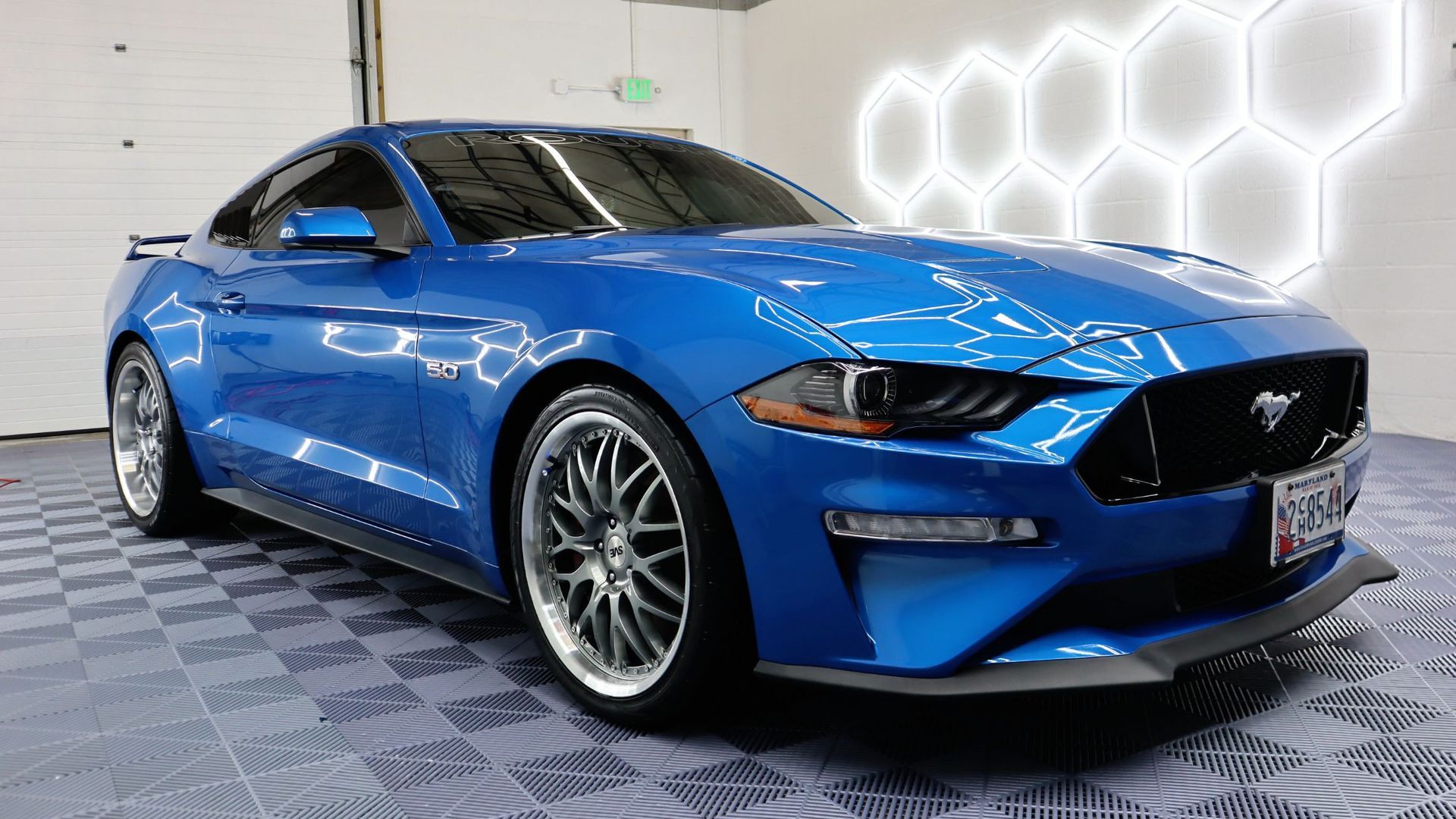
Investing in a professional ceramic coating in Baltimore MD is the single most effective way to lock in that pristine, brand-new showroom shine before daily driving introduces irreversible wear. New car paint is at its absolute peak of optical clarity, making it the perfect foundation for a nanotechnology coating.
Once applied, the liquid ceramic fills in the microscopic valleys of the fresh clear coat, creating an incredibly flat, glass-like top layer. This physical transformation alters the surface energy of the vehicle, making it extremely difficult for road grime, pollen, and industrial fallout to stick. By applying this protective shield early in the vehicle's lifespan, you ensure the underlying factory clear coat remains completely untouched by the elements.
Preserving the Value of Your Investment
A vehicle's factory paint job can never be truly replicated by an aftermarket body shop, making the preservation of the original finish critical to its long-term resale value. Buyers pay a premium for cars that look like they just rolled off the showroom floor. A ceramic coating preserves this aesthetic by preventing the micro-scratches, swirl marks, and paint fading that typically plague vehicles within their first few years of daily driving.
Maximizing Paint Depth and Gloss
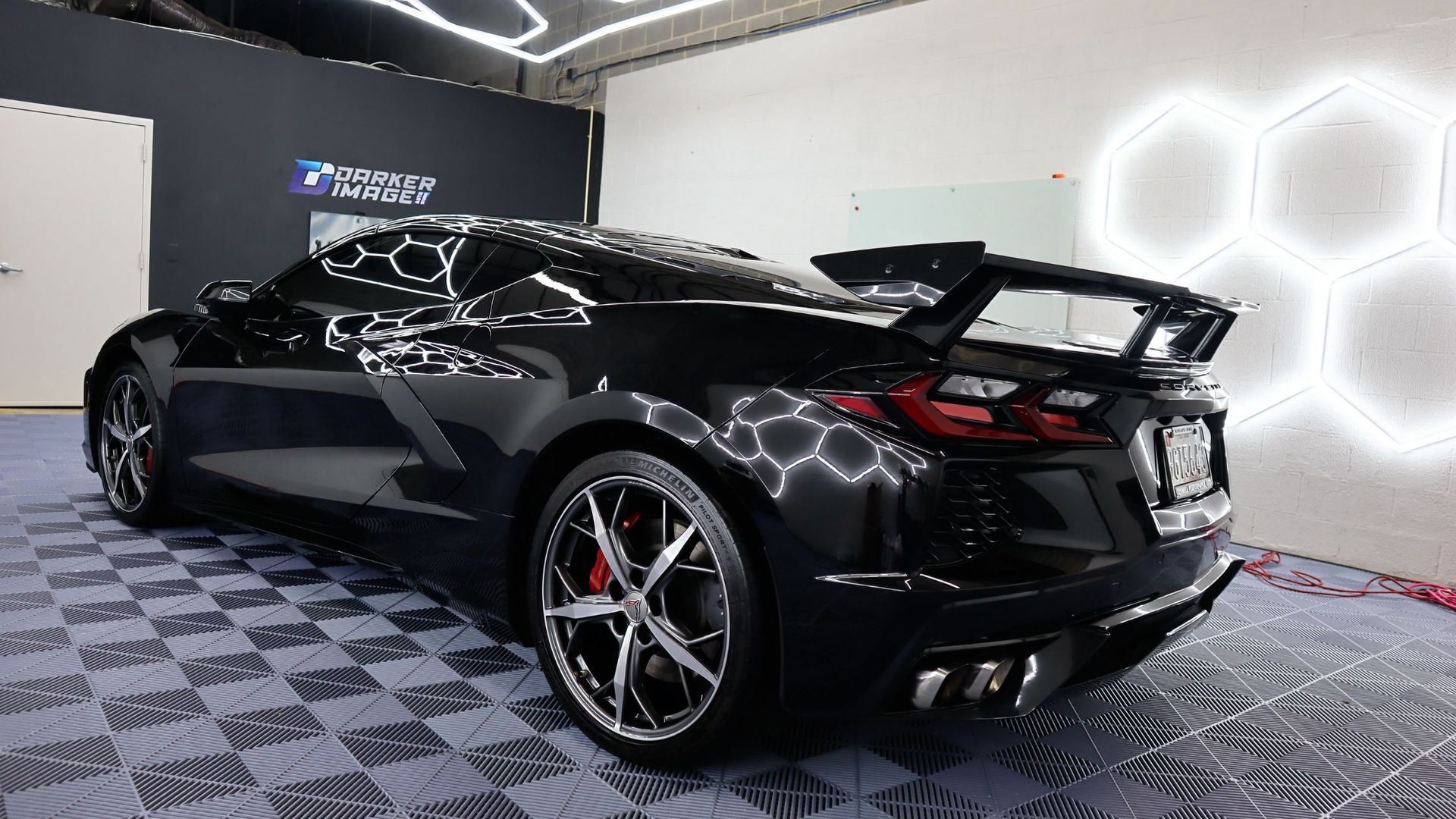
The visual gloss of a vehicle is determined by how flat the paint surface is and how cleanly it reflects light. Professional ceramic coatings are highly refractive, meaning they allow light to pass through and bounce off the color coat with extreme clarity. This physical property enhances the depth of the paint, giving it a rich, wet-looking gloss that traditional waxes and sealants simply cannot replicate.
Creating a Permanent Covalent Bond
Unlike consumer-grade products that simply sit on top of the clear coat, a professional nanotechnology application forms a covalent chemical bond with the factory paint. This chemical reaction means the coating becomes a permanent or semi-permanent extension of the paint structure. It cannot be washed off by rain, road salt, or high-pressure water, providing continuous factory paint protection that lasts for several years.
What Local Environmental Hazards Threaten Your Factory Finish in Baltimore?
Baltimore vehicles operate in a highly demanding coastal and industrial climate that subjects automotive clear coats to constant chemical stress. From the heavy manufacturing zones near the shipping terminals to the salt-treated commuter corridors, local paint finishes degrade at an accelerated rate without durable protection.
[Port of Baltimore Industrial Fallout] ----> Iron Dust Embeds in Clear Coat
[Major Commuter Highways (I-95/I-695)] ----> Corrosive Winter Road Brines Stick to Paint
[Suburban Neighborhood Trees] ----> Acidic Sap and Organic Etching Expands in Heat
Understanding these specific local threats explains why traditional detailing products are no longer sufficient to keep your vehicle looking clean and shiny.
Shipping Port Industrial Fallout and Iron Dust
The active industrial corridors surrounding the Port of Baltimore and neighborhoods like Dundalk release vast quantities of microscopic iron dust into the atmosphere. These hot metallic particles settle onto parked vehicles, where they cool and embed themselves deep inside the clear coat. When exposed to maritime humidity, these embedded iron shavings quickly rust, creating rough, sandpaper-like textures and tiny, orange rust blooms across your paint.
Corrosive Winter Brines on High-Speed Commuter Routes
Commuting along local high-speed routes like the Baltimore Beltway (I-695), Interstate 95, and the Jones Falls Expressway (I-83) exposes your vehicle to highly corrosive road brines. Road crews treat these highways
heavily with liquid calcium chloride, which sticks to lower panels like glue. On a hot engine bay or warm panels, this salt residue dries out the clear coat rapidly, accelerating paint oxidation and leaving a stubborn, dull white crust.
Acidic Sap and Pollen in Historic Suburbs
Parking in tree-lined residential neighborhoods like Roland Park, Mount Washington, or nearby areas like Columbia and Elkridge exposes your car to heavy organic hazards. Sticky pine sap, oak pollen, and acidic bird droppings land on parked vehicles daily. Under the hot Maryland summer sun, the clear coat expands significantly, allowing these highly acidic organic compounds to sink deep into the paint structure and leave permanent, dull etched spots.
How Does Professional Ceramic Coating Compare to Retail Paint Protection?
When choosing how to protect your vehicle's factory finish, it is important to analyze the differences in chemical composition, durability, heat resistance, and ease of maintenance between various products. Selecting the right option depends on your long-term maintenance goals and how much time you want to spend cleaning your car.
| Protection Feature | Traditional Carnauba Wax | Synthetic Polymer Sealant | Professional Ceramic Coating |
|---|---|---|---|
| Primary Material | Natural Carnauba Palm Wax | Synthetic Liquid Polymers | Silicon Dioxide ( SiO 2 ) / Nanotech |
| Bonding Mechanism | Physical sit-on-top layer | Weak electrostatic surface bond | Covalent semi-permanent chemical bond |
| Average Durability | 4 to 6 weeks | 4 to 6 months | 2 to 5+ years |
| Heat Resistance | Low (Melts around 180°F) | Moderate (Degrades in summer heat) | High (Withstands temperatures over 1,000°F) |
| Chemical Resistance | Poor (Stripped by harsh soaps) | Moderate (Resists light detergents) | Excellent (Resists acids, road salt, bird droppings) |
| Hydrophobic Behavior | Moderate water beading | Good water sheeting | Extreme water beading and self-cleaning |
The Physical Limitations of Carnauba Wax
Natural carnauba wax produces a warm, rich glow, but it offers almost no physical or chemical defense for a modern factory clear coat. Because it does not form a chemical bond, it sits loosely on top of the paint and is easily washed away by rainstorms or automatic car wash soaps. Furthermore, because carnauba wax has a low melting point, a hot summer day in Maryland can easily raise panel temperatures high enough to melt the wax layer entirely.
Synthetic Sealants Offer Short-Term Protection
Synthetic polymer sealants are engineered to last longer than natural wax, typically providing up to six months of paint protection. They offer decent resistance against UV rays and light environmental contaminants, but they are still easily degraded by strong cleaning chemicals and winter road salt. Sealants do not add physical hardness to the paint, meaning they cannot protect your delicate clear coat from the micro-scratches that occur during routine maintenance.
Advanced Nano-Coatings Deliver Long-Term Defense
A professional-grade ceramic coating represents a massive technological leap forward in paint preservation. Formulated with silicon dioxide, these liquid coatings cure into an ultra-hard, transparent crystalline glass barrier that physically becomes a permanent extension of your paint system. Because the nanostructures fill in the microscopic pores of your clear coat, the coating becomes an impervious shield that cannot be washed off by rain, road salt, or aggressive cleaning chemicals, providing a superior alternative to basic ceramic coating Baltimore MD consumer packages.
What Is the Professional Installation Process for Clear Coat Protection?
Applying a high-solids ceramic coating is a meticulous, multi-step process that requires professional tools, expert training, and a highly controlled environment. Unlike consumer spray-on products, professional coatings must be applied to a completely flawless, decontaminated surface to ensure a successful chemical bond.
[Multi-Stage Decontamination] -> [Mechanical Paint Correction] -> [Precision Ceramic Application] -> [Controlled Infrared Curing]
Any shortcuts taken during the preparation phases will prevent the coating from bonding correctly, leading to premature failure of the protective layer.
Intensive Chemical and Physical Decontamination
Before any coating can be applied, the clear coat must be completely free of old waxes, road oils, and embedded metallic dust. Installers utilize specialized chemical iron dissolvers to break down fallout from industrial zones near Fells Point and Canton. This is followed by a clay bar treatment to physically lift remaining surface contaminants and a final isopropyl alcohol wipe to strip the paint bare.
Mechanical Multi-Stage Paint Correction
Applying a transparent ceramic coating over scratches, swirl marks, or oxidation will permanently lock those flaws under a hardened glass layer. Professional installers spend hours performing meticulous mechanical paint correction using dual-action polishers and specialized polishing compounds. This process flattens the clear coat, removes surface defects, restores optical clarity, and ensures the paint is completely flawless before the coating is locked down.
Before committing to a long-term paint protection system, taking the time to contact us allows you to schedule a professional paint inspection and discover which Gtechniq coating package fits your daily driving needs.
Precision Application in a Controlled Environment
Professional-grade ceramic coatings are highly sensitive to ambient temperature, humidity, and airborne dust during the application process. If a coating is applied in a drafty driveway or direct sunlight, it will flash too quickly, leaving behind ugly, dark streaks known as high spots. Specialized studios utilize dust-free, climate-controlled environments and infrared curing lamps to ensure the coating cures into a perfectly uniform, ultra-hard protective shell.
How Do You Maintain a Ceramic Coated Vehicle to Prevent Wear?
While a professional ceramic coating is highly durable and scratch-resistant, it is not completely scratch-proof, and improper washing habits will eventually degrade its performance. Following a gentle, structured hand-wash routine is essential to keep the hydrophobic glass layer free of road film and prevent physical wash-induced scratching.
- Never Use Automated Car Washes: Avoid mechanical washes that use spinning brushes. These brushes hold onto abrasive dirt from previous vehicles, acting like a giant, dirty whip that will cover your coating in micro-scratches and rapidly dull its deep gloss.
- Implement the Two-Bucket Strategy: Fill one bucket with clean water and a grit guard to rinse your wash mitt, and fill a second bucket with a pH-neutral, wax-free soap solution. This prevents you from rubbing abrasive dirt particles back onto the clear coat.
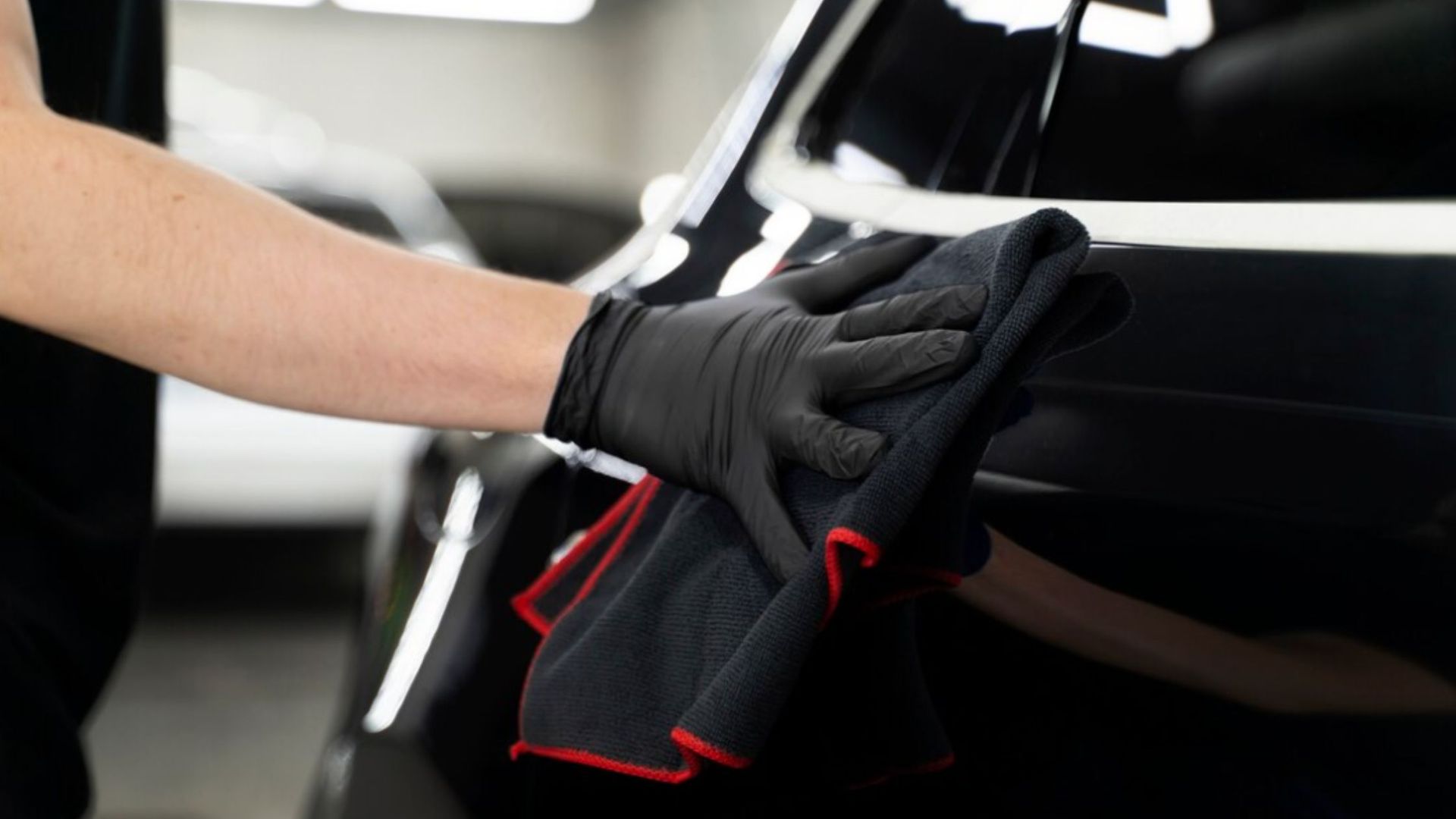
- Always Use High-Quality Microfiber: Wash the vehicle using a soft, high-quality microfiber wash mitt and dry it immediately using an electric leaf blower or a plush microfiber drying towel to prevent municipal water minerals from leaving spots.
By taking these simple precautions, you ensure the hydrophobic pores of the ceramic layer remain clean and unclogged. Over time, keeping up with this routine preserves both the self-cleaning effect and the extreme mirror-like reflection of your vehicle's factory finish.
Frequently Asked Questions
Can a ceramic coating repair an already oxidized or peeling clear coat?
No, a ceramic coating cannot repair or restore paint that has already cracked, oxidized, or started peeling. If the factory clear coat has failed, the affected panels must be professionally repainted. However, if the paint only suffers from light oxidation, a professional paint correction process can polish away the dead paint layer before a coating is applied to lock in the remaining gloss.
How often should I wash my vehicle after getting a professional ceramic coating?
You should aim to hand wash your ceramic coated vehicle once every two weeks to prevent traffic film and environmental dust from clogging the hydrophobic pores. Even though the coating repels water and dirt exceptionally well, a fine layer of road grime will slowly build up over time and must be gently washed off to maintain the self-cleaning effect.
Does professional ceramic coating protect against rock chips?
No, ceramic coatings do not protect your vehicle from physical rock chips, gravel impacts, or deep parking lot door dings. While the coating adds microscopic hardness that resists light wash scratches and swirls, it is too thin to absorb heavy physical impacts. For robust protection against road gravel, you should combine your coating with Paint Protection Film.
Will winter road salt and chemical brines degrade the ceramic layer?
No, high-quality professional ceramic coatings are chemically engineered to withstand extreme temperatures, road salt, and harsh winter chemicals. The silicon dioxide barrier is highly resistant to the chemical corrosion caused by winter road brines, making it the perfect year-round paint protection for local driving conditions.
Can I apply traditional carnauba wax over my ceramic coating?
No, you should never apply traditional paste wax, liquid wax, or petroleum-based sealants on top of a ceramic coating. The wax will not be able to bond to the incredibly slick ceramic surface, resulting in a hazy, smeared finish. Additionally, covering the coating with wax temporarily hides the superior water-beading and self-cleaning properties of the ceramic layer.
Preserving Your Showroom Finish for Years to Come
Safeguarding your vehicle's factory paint in a demanding local environment requires moving past temporary retail products and investing in advanced, chemically bonded surface protection. Continuous exposure to industrial fallout near the shipping ports, winter road brines along major commuter highways, and intense summer UV rays will rapidly deteriorate unprotected clear coats, leaving behind a dull, faded appearance that normal washing cannot fix. To preserve that deep, mirror-like gloss and make maintenance incredibly easy, installing a durable protective layer is the ultimate solution.
If you are curious about the real-world transformations we achieve for local drivers, browsing our customer reviews page will show you how our detailing standards keep vehicles looking immaculate.
When you are ready to secure the ultimate protection, choosing a professional auto ceramic coating ensures your vehicle retains its pristine showroom appearance for years to come.
Darker Image Auto Studio stands out as a premier local specialist, delivering meticulous paint correction and certified Gtechniq ceramic coating installations designed to withstand the harshest local driving conditions. Rather than dealing with rushed high-pressure sales environments, our custom-tailored process guarantees that your vehicle receives the exact attention to detail it deserves. We are proud to serve our community with honesty, integrity, and exceptional craftsmanship, maintaining our perfect
5 star Google rating as of today.