What Should You Know About Maryland Window Tint Laws Before Tinting Your Car in Baltimore?
Driving through the historic streets of Canton or navigating the busy lanes of the Baltimore Beltway in the peak of summer can quickly become an uncomfortable experience. The intense heat radiating off the pavement near the Inner Harbor combined with blinding sun glare makes high-quality automotive film a true necessity. However, before you enhance your vehicle's appearance and comfort, you must understand the strict local legal standards. Investing in premium Car Window Tinting in Baltimore requires a careful balance between achieving heat rejection and maintaining full compliance with state laws to prevent costly traffic stops.
What is the legal window tint limit in Maryland?
The legal window tint limit in Maryland for passenger cars is 35% visible light transmission (VLT) on all side windows and the rear windshield. For multi-purpose vehicles, such as SUVs, trucks, and vans, the law requires a minimum of 35% VLT on the driver and front passenger side windows, but allows any percentage of darkness on the rear side windows and the back windshield. These regulations are strictly enforced across the state to ensure that drivers maintain adequate visibility under all operating conditions.
To fully understand this law, you must grasp how Visible Light Transmission works. The VLT percentage represents the amount of light that can pass through your vehicle windows. A lower VLT percentage means a darker window tint. For example, a window with a 5% VLT tint is extremely dark, allowing only a tiny fraction of ambient light to enter the cabin.
Standard automotive glass from the manufacturer typically has an inherent VLT of approximately 70% to 80%. When you apply an aftermarket film to this glass, the two layers combine to reduce the overall light transmission. This means you cannot simply apply a 35% film directly to your factory windows and expect to remain legally compliant.
The final VLT is calculated mathematically by multiplying the transmission percentage of the factory glass by the transmission percentage of the aftermarket film. If your factory glass has a VLT of 75% and you apply an aftermarket film with a VLT rating of 35%, the resulting total light transmission is:
0.75 \times 0.35 = 0.2625
This resulting value of 26.25% VLT falls significantly below the state's legal limit of 35%. If you drive a sedan with this setup through neighboring areas like Towson or Glen Burnie, you risk receiving a safety violation. Professional installers utilize specialized light meters to measure this combined value before starting the physical application process to ensure absolute vehicle tint compliance.
Why Certified Car Window Tinting in Baltimore Protects You from Traffic Citations
Choosing a certified specialist for Car Window Tinting in Baltimore is the most reliable way to guarantee that your vehicle remains fully compliant with state and local regulations. Certified technicians understand how to calculate the cumulative darkness of your factory glass paired with your chosen film. They have access to professional testing tools that replicate the exact equipment used by law enforcement officers during roadside inspections.
If you attempt a DIY project in your garage, you might unknowingly purchase materials that exceed the legal limit once applied to your tinted factory glass. Furthermore, professional shops are well-versed in the specific local rules that apply to communities throughout Baltimore County, Howard County, and Anne Arundel County. This local knowledge helps you avoid the stress of being pulled over on major commuter routes like I-95 or I-695.
A professional installation also ensures that the film is cut with computerized precision. This avoids the risk of covering vital safety markings on your glass or damaging your rear window defroster lines. By trusting a certified shop, you receive a high-performance film that protects your interior from fading while adhering strictly to the legal window tint percentage.
Understanding Vehicle Classification and Legal Differences under Maryland Law
When planning your upgrade for Car Window Tinting in Baltimore, you must first identify how the Motor Vehicle Administration classifies your ride. The distinction between a standard passenger sedan and a multi-purpose vehicle dictates exactly how dark your rear windows can legally be.
Maryland law separates vehicles into two distinct categories to accommodate different commercial and personal transportation needs. These categories are passenger cars and multi-purpose passenger vehicles (MPVs).
Passenger Cars (Sedans, Coupes, and Station Wagons)
Passenger cars are designed primarily for carrying people rather than cargo. For these vehicles, the state enforces uniform rules across every piece of glass on the car.
- Front Side Windows: Must allow more than 35% of visible light to pass through the glass.
- Rear Side Windows: Must also allow more than 35% of light transmission.
- Rear Windshield: Restricted to a minimum of 35% VLT.
Multi-Purpose Vehicles (SUVs, Vans, and Pickup Trucks)
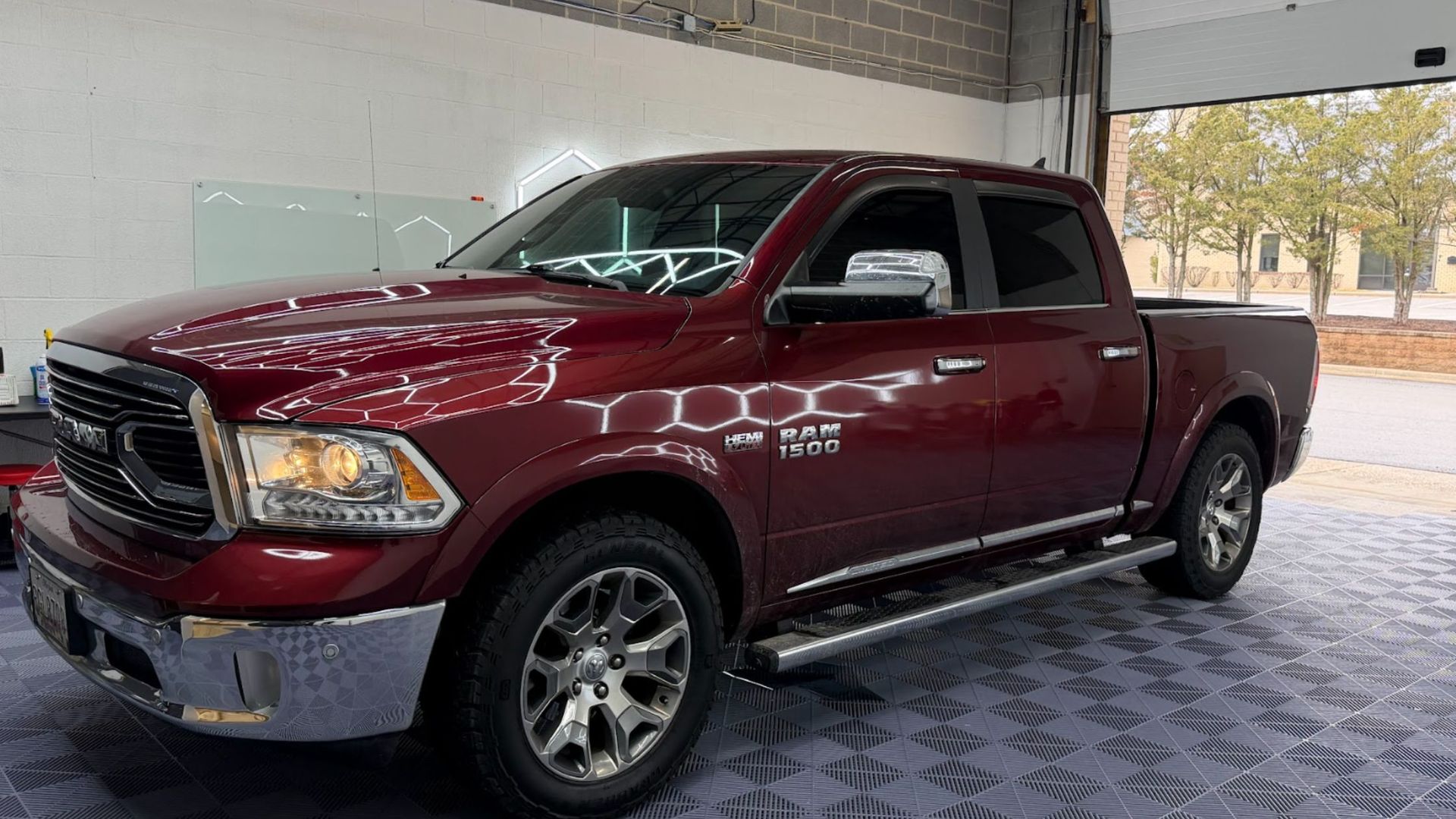
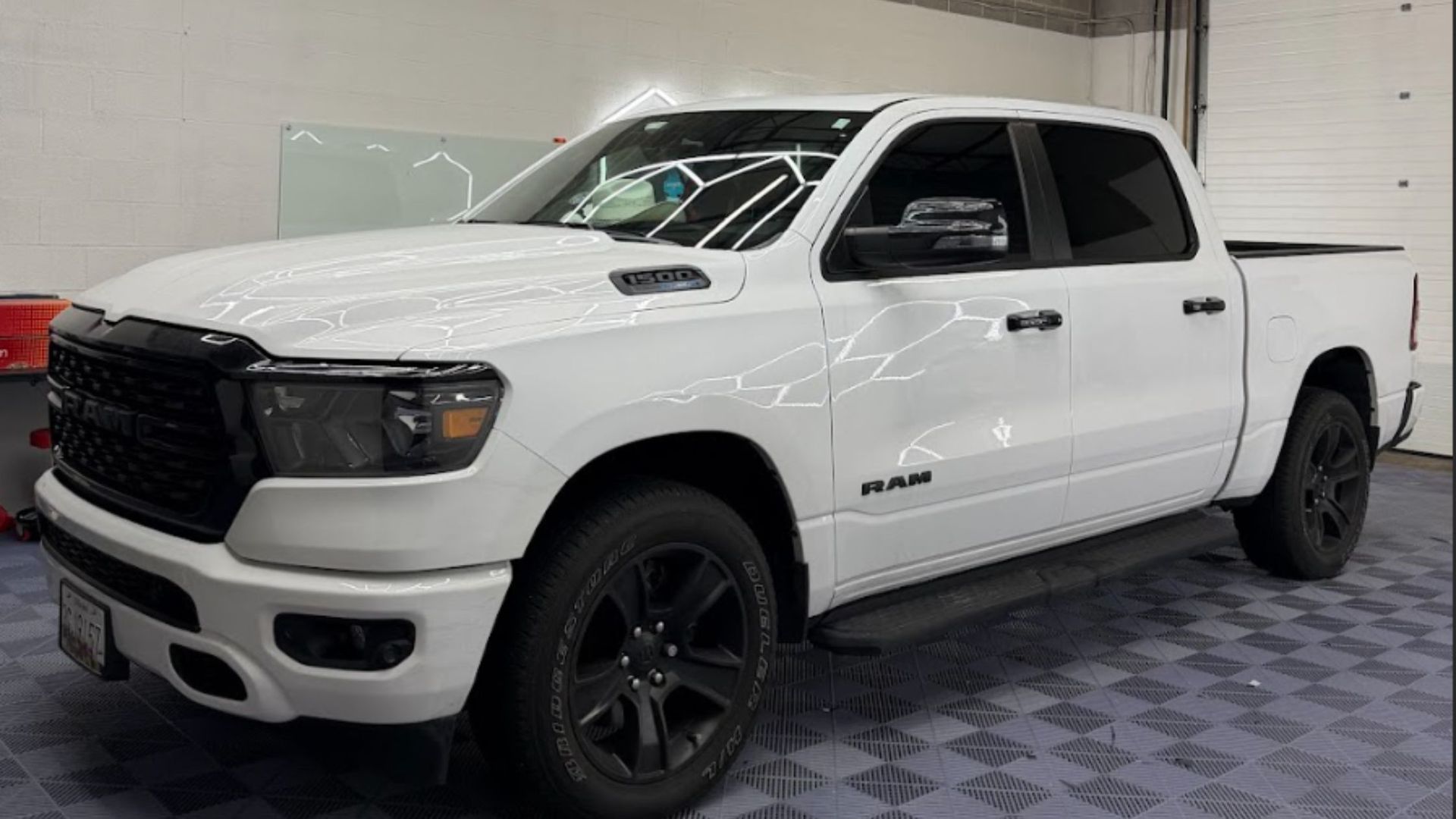
Multi-purpose vehicles are designed to carry cargo or multiple passengers, often featuring higher ground clearance. The state offers greater flexibility for these larger vehicles to support utility and passenger privacy.
- Front Side Windows: Restricted to the same minimum of 35% VLT as passenger cars.
- Rear Side Windows: Permitted to have any level of darkness, including limo-tint levels of 5% VLT.
- Rear Windshield: Allowed to have any darkness level, provided the vehicle is equipped with dual side mirrors.
This dual-standard approach ensures that utility vehicles can secure cargo from public view while parking in busy urban districts like Canton, Fells Point, or Federal Hill. Understanding these differences helps you avoid making an expensive mistake when selecting film shades for your family car or work truck.
How Do Maryland Tint Regulations Apply to Windshields and Tint Colors?
Under current Maryland tint regulations, you cannot tint your entire front windshield unless you possess a valid, state-approved medical waiver. Drivers are only permitted to apply a non-reflective tint strip along the very top of the windshield. This strip must end at the manufacturer's AS-1 line or extend no more than 5 inches down from the top of the windshield frame.
The AS-1 line is a small, etched marking found on most factory windshields that indicates the safe limit for non-reflective window films. Applying film below this line can severely restrict your forward visibility, especially during evening commutes or rainy conditions near the Inner Harbor. The state enforces this rule strictly to protect pedestrians and oncoming drivers.
- Tinted Visor Strip: Allowed only at the topmost portion of the front windshield, utilizing non-reflective film.
- Allowable Limit: Must not extend past the manufacturer's AS-1 line or more than 5 inches down from the top edge of the windshield frame.
- Remaining Windshield Area: The rest of the front windshield must remain completely clear and free of any aftermarket film.
In addition to darkness limitations, Maryland law places strict restrictions on the colors and reflective properties of your window film.
- Prohibited Colors: You are completely forbidden from applying red, yellow, or amber-colored tints to any window on your vehicle.
- Reflective Restrictions: Mirrored or highly reflective window films are illegal because they can reflect solar glare directly into the eyes of other drivers on highways.
- Safety Standards: The film must not obstruct the view of the high-mount rear brake light, which must remain clearly visible to trailing traffic.
If you are unsure whether your current vehicle glass has a factory glaze that could affect your legal percentage, scheduling a professional inspection is the safest path forward. You can contact us directly to speak with an experienced technician who can measure your glass using a digital photometer. This ensures that you choose a film that keeps your vehicle legal while maximizing heat rejection.
What Happens If You Get Pulled Over for Illegal Tint in Baltimore?
If a law enforcement officer stops your vehicle and determines your tint is too dark, they will typically issue a Safety Equipment Repair Order (SERO). This order mandates that you remove the illegal film and have your vehicle inspected by an authorized station within 30 days. Failure to comply can result in fines or suspension of your vehicle's registration.
The SERO process is designed to ensure that unsafe vehicles are quickly repaired and returned to compliance. State troopers, transit police, and local officers carry hand-held photometers to quickly test the VLT of your windows on the side of the road. If the meter registers a light transmission below 35% on a controlled window, the officer will document the violation.
To clear a SERO, you must take the vehicle to a registered inspection station, which is often a local garage or specialized shop certified by the Maryland State Police. The inspector will verify that the illegal film has been completely removed or replaced with compliant materials. Once they sign off on the repair, you must submit the completed paperwork to the Automotive Safety Enforcement Division.
Attempting to scrape old film off your windows to clear a ticket can be incredibly difficult and hazardous. Scraping the glass with razor blades can easily sever the delicate grid lines of your rear defroster, leading to an expensive glass replacement. Utilizing a professional service ensures that the illegal film is safely steam-removed without causing any structural or electrical damage to your vehicle.
Can You Get a Medical Waiver for Darker Window Tint in Maryland?
Yes, Maryland permits drivers to operate vehicles with window tint darker than 35% VLT if they suffer from a qualifying medical condition, such as lupus, photophobia, or extreme solar sensitivity. To qualify, you must obtain a written certification from a licensed physician and submit it to the Maryland State Police Automotive Safety Enforcement Division for approval.
The medical exemption process requires formal documentation to prevent abuse of the law. Your physician must clearly state your medical diagnosis, explain why solar exposure exacerbates your condition, and specify the level of light transmission reduction required for your health and safety.
Once your application is reviewed and approved, the Maryland State Police will issue an official Medical Authorization Certificate. This certificate must be kept inside your vehicle at all times. If you are pulled over by law enforcement near Patterson Park or Fort McHenry, presenting this valid certificate will prevent the officer from issuing a citation or a repair order.
It is important to note that a medical waiver is linked to the individual driver, not just the vehicle itself. The waiver authorizes you to operate a specific vehicle with non-compliant tint, but you must be the primary operator or passenger. If you sell the vehicle, the new owner cannot legally use your medical waiver to justify keeping the dark tint on the windows.
Comparing Legal Limits: Passenger Cars vs. Multi-Purpose Vehicles (MPVs)
The table below provides a quick reference to help you understand how state laws differ depending on the specific class of your vehicle.
| Vehicle Window Position | Passenger Cars (Sedans & Coupes) | Multi-Purpose Vehicles (SUVs & Vans) |
|---|---|---|
| Windshield | Non-reflective strip above AS-1 line (max 5 inches) | Non-reflective strip above AS-1 line (max 5 inches) |
| Front Side Windows | Must allow more than 35% light transmission | Must allow more than 35% light transmission |
| Rear Side Windows | Must allow more than 35% light transmission | Any level of darkness is legally permitted |
| Rear Windshield | Must allow more than 35% light transmission | Any level of darkness is legally permitted |
| Reflective Materials | Mirror or highly reflective finishes are prohibited | Mirror or highly reflective finishes are prohibited |
The table below provides a quick reference to help you understand how state laws differ depending on the specific class of your vehicle.By utilizing this comparison, you can make an informed decision when planning your next upgrade. If you drive a pickup truck, for example, you can safely install a dark carbon film on your rear cabin glass while maintaining a legal 35% VLT on your driver and passenger doors.
Frequently Asked Questions (FAQs)
Can police pull you over just for tint in Maryland?
Yes, law enforcement officers can pull you over as a primary offense if they suspect your window tint is darker than the state's legal limit of 35% VLT. You do not need to commit another traffic infraction to be stopped. Officers patrolling busy areas near Columbia or Dundalk regularly look for dark windows that prevent them from seeing the occupants inside.
What is the lowest legal tint percentage in MD?
The lowest legal tint percentage for passenger cars is 35% VLT on all side windows and the rear windshield. For SUVs, trucks, and vans, the front side windows must be at least 35% VLT, but there is no legal minimum percentage for the rear side windows or back windshield.
How do police test window tint darkness on the road?
Police officers use a portable, hand-held tool called a photometer, or tint meter, to measure light transmission. This device consists of two aligned pieces that clamp onto your window glass. It shines a beam of light through the window to measure exactly how much light passes through to the sensor on the other side.
Are colored or reflective window films legal in Baltimore?
No, colored films such as red, yellow, or amber are completely illegal on all vehicle windows in Maryland. Additionally, reflective or mirrored films are banned because they can cause blinding glare for other motorists traveling on major roads like I-695.
Does a Maryland window tint medical waiver expire?
A medical window tint waiver in Maryland does not typically expire unless your physician specifies a temporary duration for your medical condition. However, if you acquire a new vehicle, you must submit an updated vehicle application to the Maryland State Police to ensure your certificate matches the registration of your active vehicle.
Making the Right Choice for Your Vehicle
Navigating the complexities of Maryland window tint regulations does not mean you have to compromise on comfort, privacy, or protection. High-quality automotive window film blocks up to 99% of harmful ultraviolet radiation and significantly reduces cabin temperatures, allowing your air conditioning system to operate far more efficiently. By selecting a legal, high-performance option, you can enjoy a cool, glare-free commute past the National Aquarium or Oriole Park at Camden Yards without worrying about traffic stops.
For drivers seeking absolute precision and complete legal compliance,
Darker Image Auto Studio stands as your premier local expert. Our experienced team specializes in applying advanced ceramic and carbon films designed to keep your vehicle cool while adhering strictly to all local guidelines. Backed by
81 Google reviews and a perfect 5-star rating as of today, we provide the ultimate solution for legal Car Window Tinting in Baltimore for your car, truck, or SUV.