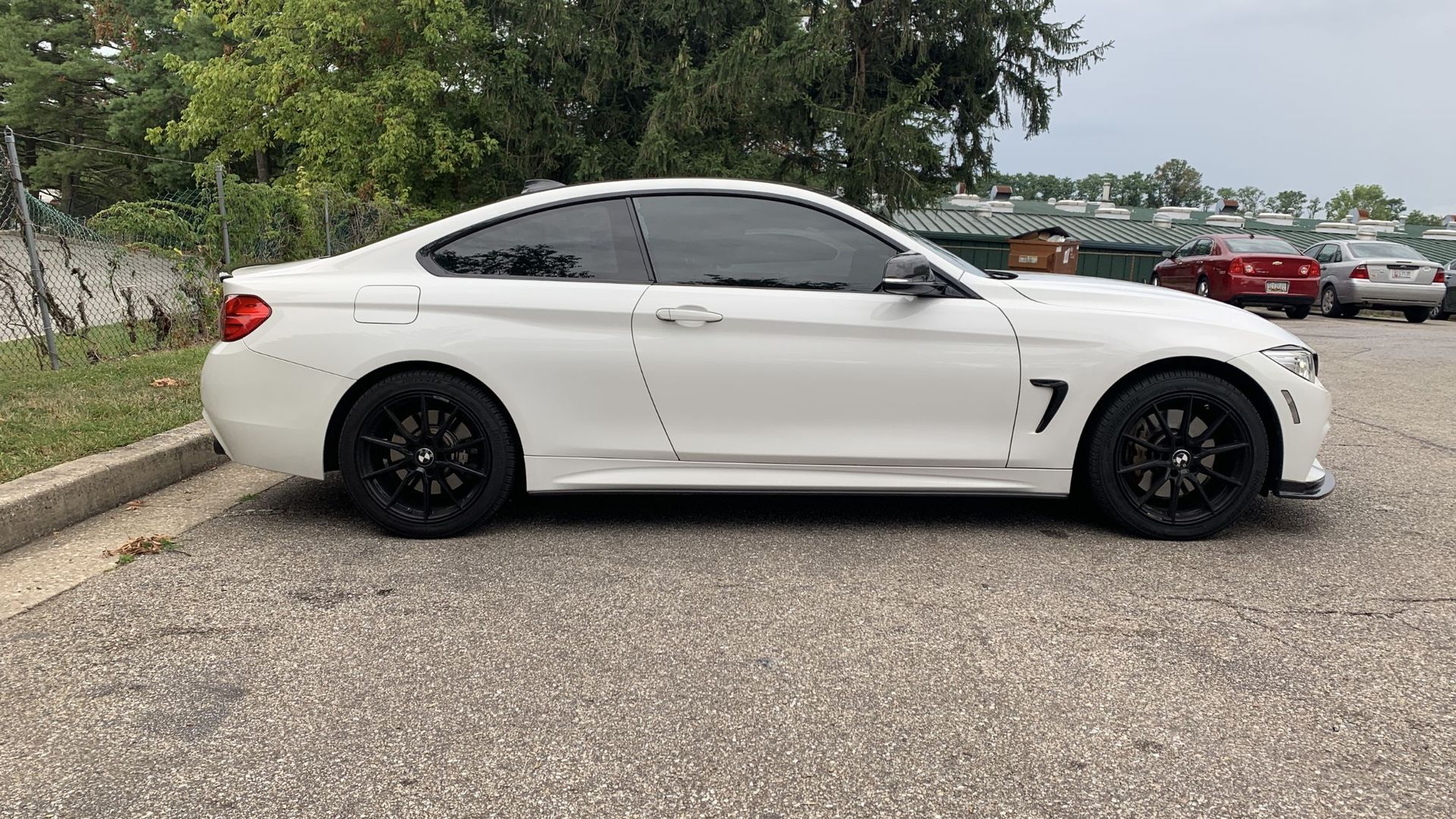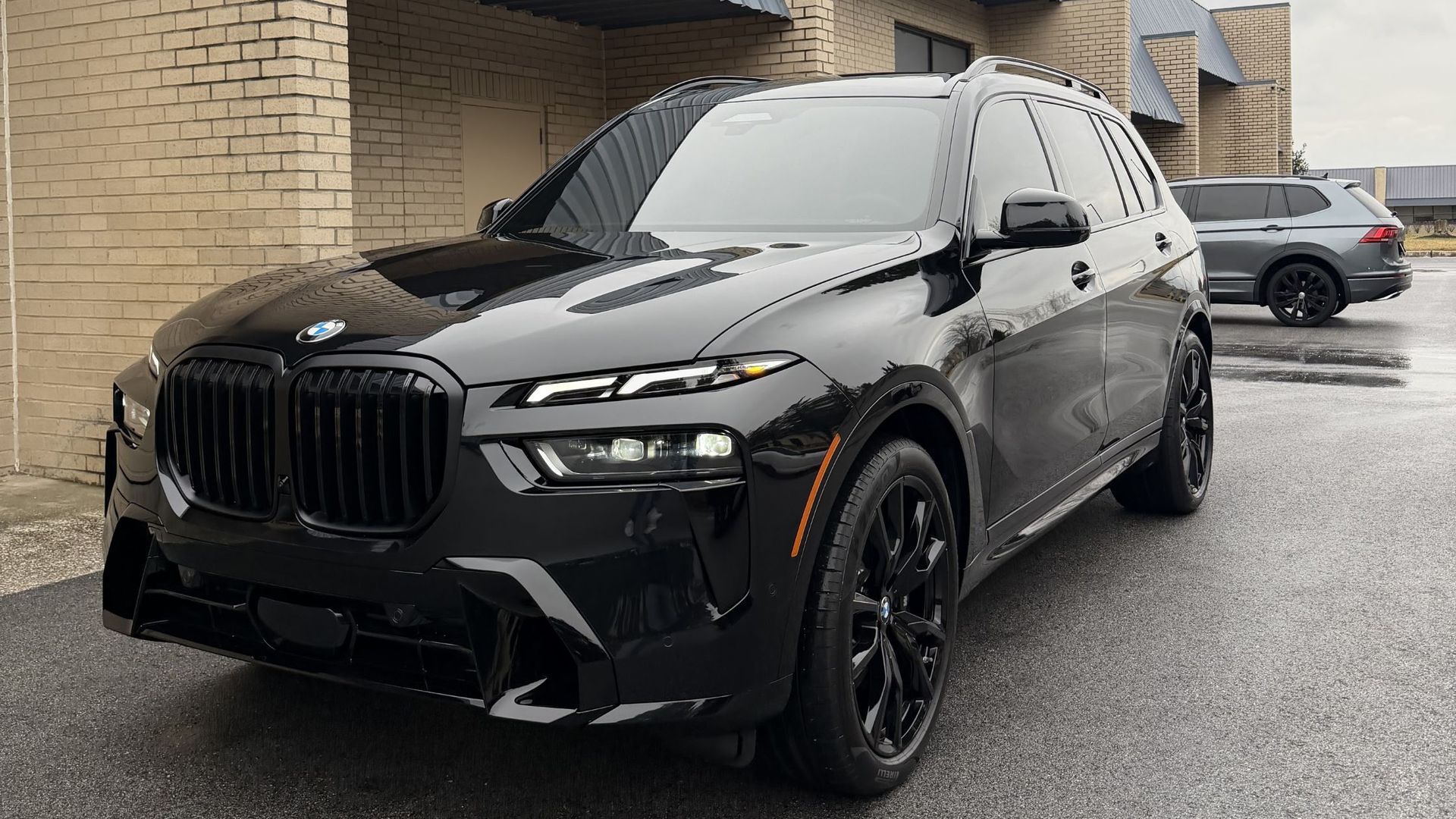
Why Does PPF Sometimes Look Cloudy or Hazy After Installation?
Paint protection film can appear cloudy or hazy after installation because small amounts of application moisture remain between the film and the vehicle's paint. This temporary appearance is a normal part of curing in many installations and does not automatically indicate a problem. Professional paint protection film installation uses a positioning solution that allows the installer to fit the film accurately before removing most of the liquid.
For drivers investing in PPF in Baltimore, MD, understanding the curing process can help distinguish temporary haziness from an installation issue. The appearance should gradually improve as the remaining moisture dissipates and the adhesive settles against the paint.
Why Does PPF Look Cloudy Immediately After Installation?
Fresh PPF can look cloudy because residual installation moisture changes how light passes through the film. When moisture remains between the adhesive and paint, it can scatter light and create a slightly milky or hazy appearance.
During installation, technicians use a slip solution to position the film over the vehicle's contours. A squeegee removes most of the liquid, but small amounts can remain in certain areas. As the film cures, this moisture gradually escapes, allowing the surface to become clearer.
The cloudiness may be more noticeable on dark-colored vehicles or under bright lighting. However, temporary haze does not necessarily mean the adhesive has failed or that the film needs replacement.
What Causes Haziness Beneath Newly Installed Paint Protection Film?
Haziness beneath newly installed PPF is usually associated with residual moisture, adhesive settling, or the way the film conforms to the painted surface. Several conditions influence how noticeable the haze becomes.
Common factors include:
- Residual installation solution: Small amounts of liquid can remain beneath the film after squeegee application.
- Adhesive settling: The adhesive needs time to establish uniform contact with the paint.
- Panel curvature: Complex contours can influence how moisture is distributed during installation.
- Film construction: Different PPF products may have different optical characteristics during curing.
- Environmental conditions: Temperature and humidity affect how quickly residual moisture dissipates.
These factors can cause temporary differences in clarity across the vehicle. A relatively flat hood may settle differently from a curved bumper, even when both areas were installed correctly.
How Long Does Cloudy PPF Take to Clear Up?
Cloudy PPF often begins improving within several days, although complete curing can take a few weeks depending on the film and installation conditions. The exact timeframe should come from the installer or manufacturer because different products have different requirements.
Some moisture-related haze may disappear quickly, while faint cloudy areas remain visible for longer. The important factor is whether the appearance gradually improves rather than becoming worse.
Does Temperature Affect PPF Curing?
Yes. Temperature influences how quickly residual installation moisture dissipates. Suitable warmer conditions may support curing, while cooler conditions can extend the process.
However, concentrated artificial heat should not be applied to accelerate drying. Excessive heat from a household heat gun or similar equipment can damage the film or adhesive.
Can Humidity Make PPF Stay Hazy Longer?
Yes. High humidity can slow moisture evaporation and extend the period during which haze remains visible. The amount of installation solution remaining beneath the film also affects the drying time.
A longer curing period does not automatically indicate a defective installation. The film should be assessed according to its specific aftercare guidance.
How Can You Tell Normal PPF Haze From an Installation Problem?
Normal curing haze generally becomes less noticeable as the film settles. An installation problem may remain unchanged, become more visible, or produce unusual distortion after the recommended curing period.
The most useful distinction is how the affected area changes over time.
Signs consistent with normal curing include:
- Mild, translucent cloudiness beneath the film
- Gradual improvement in clarity
- No visible lifting or separation
- Temporary haze concentrated in recently installed areas
Signs that require professional inspection include:
- Cloudiness that remains unchanged after the expected curing period
- Increasing discoloration or unusual optical distortion
- Persistent adhesive irregularities
- A milky appearance that continues spreading
- Visible film separation
An experienced installer can determine whether the appearance results from normal moisture evaporation or a problem requiring correction.
Can the Paint Underneath PPF Make the Film Look Hazy?
Yes. Existing paint imperfections can affect the appearance of transparent PPF because the underlying finish remains visible through the material. Film protection does not automatically correct oxidation, dullness, polishing marks, or other surface defects.
For example, paint that already has a cloudy appearance may continue looking uneven after clear film is installed. This differs from temporary moisture haze because the underlying condition may remain unchanged after curing.
Proper paint preparation is therefore important before installation. Darker Image Auto Studio includes washing, paint decontamination, and clay treatment in its front-end PPF preparation process to help create a suitable surface for film application.
If the painted finish requires additional correction, that should be evaluated before applying the protective film.
Should You Try to Remove PPF Haziness Yourself?
No. Fresh PPF should not be rubbed aggressively, polished, or heated in an attempt to remove curing haze. These actions can disturb the adhesive, damage the film's surface, or create imperfections that were not present originally.
The safest approach is to follow the installer's instructions while monitoring the appearance. Avoid pressing on hazy areas or attempting to squeeze moisture out manually.
If the film remains cloudy beyond the expected curing period, professional evaluation is preferable to applying unapproved cleaning products.
Can Washing a Newly Installed PPF Surface Affect Its Clarity?
Washing newly installed PPF before the recommended waiting period may interfere with adhesive settling, particularly around edges and complex contours. The appropriate waiting period depends on the film manufacturer's instructions.
For many film systems, installers recommend avoiding washing for at least the first 48 to 72 hours. However, this is not a universal curing requirement for every PPF product.
Once washing is permitted, use a compatible automotive shampoo and soft wash materials. Aggressive brushes, abrasive cleaners, and concentrated pressure near film edges should be avoided. Darker Image Auto Studio provides aftercare guidance based on the installed film and coverage. Following those instructions helps preserve the finished appearance.
When Should Persistent PPF Cloudiness Be Professionally Inspected?
Persistent PPF cloudiness should be inspected when it does not improve within the installer-recommended curing period or begins affecting the finished appearance. The installer can examine whether the issue is related to the film, adhesive, trapped contamination, or underlying paint. Depending on the findings, the affected section may require additional attention or replacement. If the film shows signs of separation, the existing article What Causes Paint Protection Film Edges to Lift or Peel Over Time? explains how adhesion problems can develop. The goal is to identify the cause before deciding whether the film needs corrective work.
Frequently Asked Questions
1. Can Cloudy PPF Affect the Appearance of Metallic Paint?
Yes. Temporary haze may reduce the visible clarity of metallic flakes or pearl finishes. As normal installation moisture dissipates, the paint's original appearance should become clearer.
2. Can PPF Look Different Under LED Lighting?
Yes. Strong directional lighting can make subtle haze and optical irregularities more noticeable. An area that appears normal outdoors may show faint cloudiness under inspection lights.
3. Does Matte PPF Develop Curing Haze Too?
Yes. Matte and satin films can also show temporary moisture-related irregularities during curing. Their textured surface may make the appearance different from glossy PPF.
4. Can Ceramic Coating Be Applied Over PPF That Is Still Hazy?
Ceramic coating should generally wait until the PPF has completed the required curing period and the film manufacturer permits additional treatment. Applying products prematurely may interfere with installation aftercare.
5. Does Cloudy PPF Mean the Protective Film Is Too Thick?
No. Thickness alone does not explain temporary curing haze. Film construction, adhesive properties, remaining installation moisture, and application conditions are more relevant.
Professional PPF Installation in Baltimore, MD
Temporary cloudiness can be normal after paint protection film installation because residual moisture needs time to dissipate. Monitoring the film and following the recommended aftercare instructions can help distinguish normal curing from a problem requiring attention.
Darker Image Auto Studio provides professional PPF installation for Baltimore-area drivers, including partial front, full front, and full-vehicle protection options. Its 5 Star Google Rating offers customer feedback for drivers considering its services.
For professional PPF in Baltimore, MD, or concerns about cloudy film after installation, contact us to discuss the appearance of your vehicle's protective film.