Is Auto Window Tint Legal in Baltimore, Maryland?
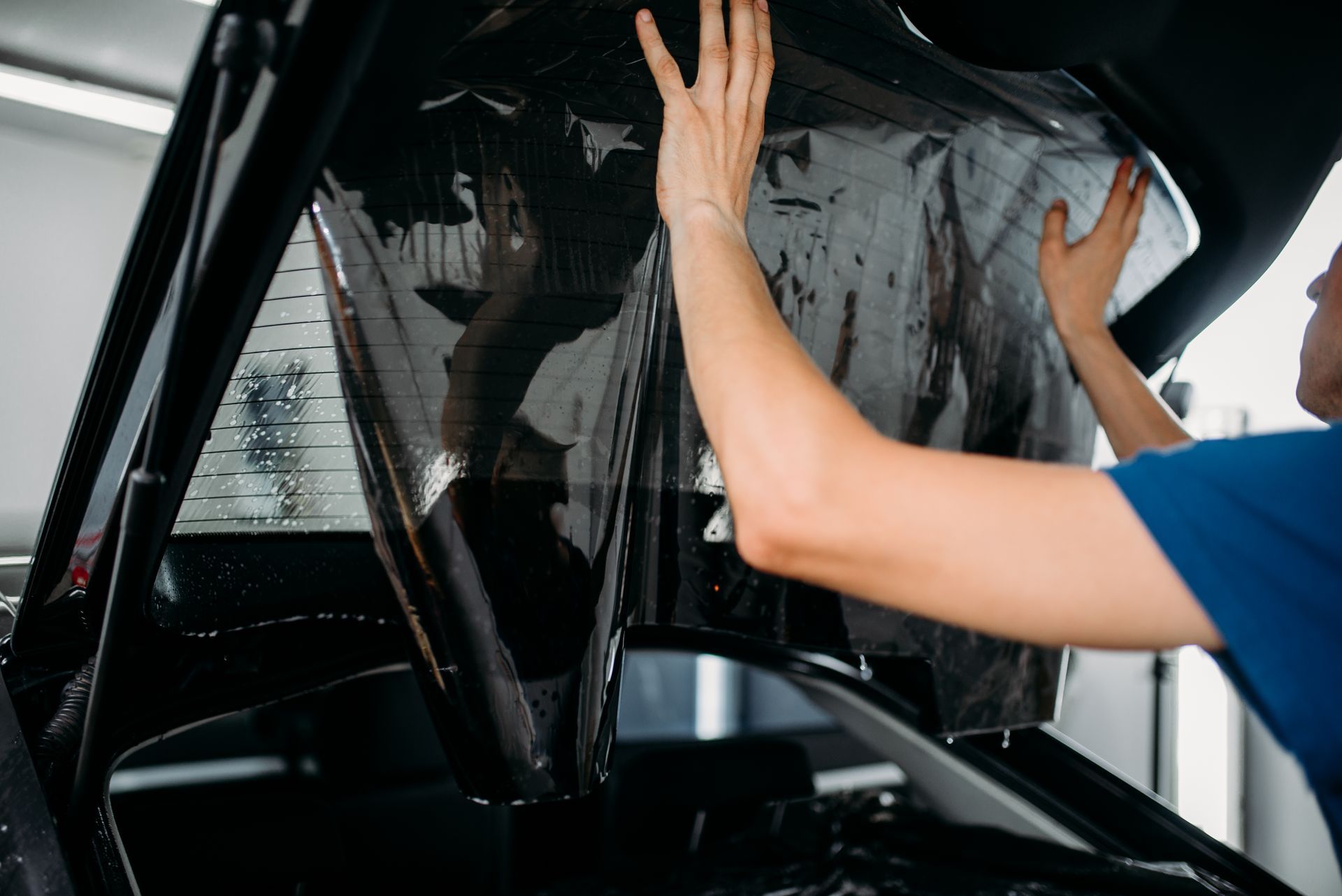
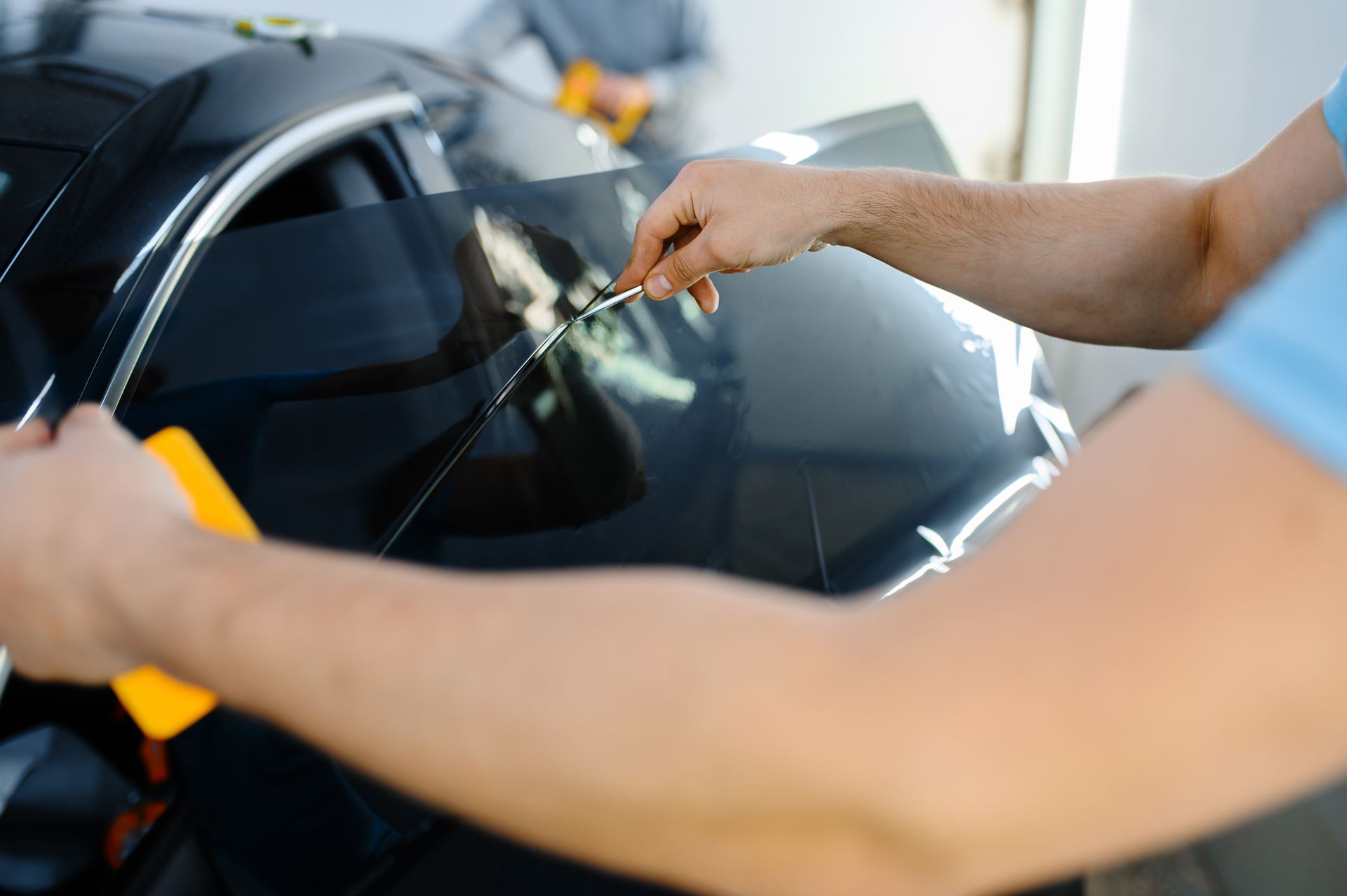
Navigating the streets of Charm City from the Inner Harbor to the historic rowhomes of Federal Hill often requires relief from the sun's glare, making auto window tint in Baltimore a popular upgrade for local drivers. However, many car owners find themselves questioning the specific legal boundaries of Maryland’s transportation laws. If you are looking to darken your glass for privacy, heat rejection, or aesthetic appeal, understanding the 35% VLT rule is essential to avoiding costly citations or safety equipment repair orders. This guide provides a direct look at what is allowed on your vehicle so you can enjoy the benefits of window film without the legal headaches.
Is 35% tint legal in Maryland?
Yes, a 35% tint is legal in Maryland for all windows on passenger cars, including sedans and coupes. For multipurpose vehicles like SUVs and vans, the 35% limit applies only to the front side windows, while the rear side and back windows can be significantly darker. When measuring auto window tint in Baltimore, law enforcement and inspection stations use a device called a photometer to calculate the Visible Light Transmission (VLT). It is important to remember that most factory glass already has a slight tint of approximately 70% to 80% VLT, so adding a 35% film on top of that may actually result in a total light transmission lower than the legal limit.
Maryland tint laws are designed to balance the driver's need for UV protection with the safety of law enforcement officers who need to see inside a vehicle during traffic stops. Whether you are commuting along I-95 or driving through the busy business districts near Pratt Street, keeping your tint at or above 35% VLT ensures you stay compliant with state regulations.
- Safety Compliance: 35% VLT allows for enough visibility for night driving and officer safety.
- Inspection Readiness: Vehicles with illegal tint will fail the Maryland State Inspection required for registration.
- Enforcement: Officers in Baltimore City and Baltimore County actively use tint meters during routine stops.
If you have questions about whether your current film meets these standards or need to schedule a professional installation, you can call 443-979-8062 to speak with a specialist who understands local compliance.
What is the legal tint percentage Baltimore drivers must follow?
The legal tint percentage Baltimore drivers must follow depends primarily on the classification of the vehicle. Maryland distinguishes between passenger cars (sedans, coupes, station wagons) and multipurpose vehicles (SUVs, vans, trucks). For passenger cars, every window—front side, rear side, and the back windshield—must allow at least 35% of light to pass through. This uniform requirement ensures consistent visibility for the driver and clear sightlines for others on the road.
For multipurpose vehicles (MPVs), the regulations offer more flexibility for the rear of the car. While the front side windows (driver and passenger) must still maintain at least 35% VLT, the windows behind the driver can be tinted to any darkness level. This is particularly beneficial for families in neighborhoods like Canton or Roland Park who want extra privacy or heat protection for children in the back seats.
| Window Location | Passenger Cars (Sedans/Coupes) | MPVs (SUVs/Vans/Trucks) |
|---|---|---|
| Windshield | Top 5 inches / AS-1 Line (Non-reflective) | Top 5 inches / AS-1 Line (Non-reflective) |
| Front Side Windows | 35% VLT or higher | 35% VLT or higher |
| Rear Side Windows | 35% VLT or higher | Any darkness allowed |
| Back Window | 35% VLT or higher | Any darkness allowed |
Can you tint your windshield in Maryland?
In Maryland, you cannot tint the entire windshield of your vehicle; you are only permitted to apply a non-reflective tint to the top five inches or above the AS-1 line. This strip of film is often referred to as a "brow" or "visor strip" and is meant to reduce the blinding glare of the sun as you drive toward landmarks like the Maryland Science Center or the National Aquarium during sunrise or sunset. The film used for this strip must not be red, yellow, or amber, as these colors are strictly prohibited by Maryland window tint regulations MD.
- Glare Reduction: Helps block the sun without obstructing the primary field of vision.
- Color Restrictions: Only neutral shades are allowed; avoid primary colors.
- AS-1 Line: Look for the small etching on your glass to find the legal limit for your visor strip.
The main area of the windshield must remain clear of any aftermarket films to ensure the driver has an unobstructed view of the road. Even clear ceramic films, which are popular for their massive heat rejection capabilities, are technically not permitted on the full windshield under standard Maryland law. However, the visor strip is a highly effective way to manage heat and glare without violating the law.
Are there medical exemptions for darker window tint?
Maryland law does allow for medical exemptions that permit drivers to use a darker auto window tint in Baltimore than the standard 35% VLT limit. Individuals with specific health conditions such as lupus, extreme light sensitivity (photophobia), or certain skin cancers, may qualify for a waiver. To obtain this, you must have a written certification from a licensed physician stating that the darker tint is medically necessary for your protection.
- Official Forms: Use form MSP ASED 23-04B for the certification process.
- Documentation: Always keep a physical copy of the waiver in your glovebox.
- Standard Restrictions: Even with a waiver, full windshield tint and reflective films remain prohibited.
This certification must be carried in the vehicle at all times. Recent updates to the law have even allowed for these exemptions to be valid indefinitely if the medical condition is determined to be permanent. It is always best to ensure your documentation is up to date before driving through areas with high traffic enforcement like the Baltimore-Washington Parkway.
If you are ready to explore your options for high-quality, legal window films that provide the protection you need, contact us to get started with a consultation.
What are the penalties for illegal window tint in Maryland?
Violating window tint laws in Maryland can result in a range of penalties, starting with a traffic citation that usually carries a fine of approximately $70 to $90. Beyond the financial penalty, the most common enforcement tool used by the Maryland State Police is the Safety Equipment Repair Order (SERO). A SERO requires the vehicle owner to remove the non-compliant film and have the vehicle inspected by an authorized station to prove it now meets the 35% VLT standard.
- Initial Fines: Usually under $100 but can escalate if ignored.
- Repair Orders: Mandatory removal of the film and official inspection.
- Registration Risk: Unresolved SEROs can lead to the suspension of your vehicle tags.
Ignoring a SERO is a serious matter that can lead to much higher fines, often reaching up to $1,000. Law enforcement officers in neighborhoods like Fells Point or near the Camden Yards stadium complex are equipped with tint meters and frequently check vehicles during routine stops. To avoid these disruptions, it is vital to ensure your film is professionally measured at the time of installation.
How do Maryland tint laws compare to neighboring states?
When traveling through the Mid-Atlantic region, it is important to realize that auto window tint in Baltimore may be legal while being considered illegal just a few miles away. Maryland’s 35% VLT limit is actually more permissive than Washington D.C., where the front side windows must allow 70% of light through for sedans. Virginia is also stricter, requiring a minimum of 50% VLT on front side windows. Conversely, Pennsylvania generally prohibits any aftermarket tint on the front side windows of passenger vehicles altogether.
- Washington D.C.: 70% VLT required for front side windows.
- Virginia: 50% VLT required for front side windows.
- Delaware: No tint allowed on front side windows without a medical waiver.
If you frequently commute from Baltimore to D.C. or Northern Virginia, you might want to consider a slightly lighter tint to avoid being pulled over in jurisdictions with stricter enforcement. Choosing a high-performance ceramic film at a legal 35% or 40% VLT often provides the best balance of local legality and interstate travel peace of mind.
Common Myths About Window Tint Regulations
Many drivers believe that if a tint is "factory installed," it is automatically legal in every state. While factory glass is manufactured to meet federal safety standards, aftermarket films added by a dealership or a previous owner may not comply with local window tint regulations MD. Another common myth is that "limo tint" (5% VLT) is allowed on the back of any vehicle. As we have discussed, this is only true for MPVs; sedans must maintain the 35% limit on all glass.
- Reflective Tints: Mirrored or metallic-looking films are completely illegal in Maryland.
- DIY Kits: Many "off the shelf" kits do not account for the natural tint already in your glass, leading to illegal VLT levels.
- Exemptions: Being an out-of-state visitor does not always exempt you from Maryland's equipment laws while driving on local roads.
There is also a misconception that reflective or mirrored tints are acceptable as long as they aren't "too shiny." In reality, Maryland law prohibits any tint that is noticeably reflective or has a metallic appearance. Sticking to charcoal, black, or neutral gray tones is the safest way to ensure your vehicle remains within the legal definitions provided by the Maryland Department of Transportation.
Frequently Asked Questions
Is 5% tint legal in Maryland?
No, 5% tint is not legal on the front windows of any vehicle in Maryland. It is also illegal on the rear windows of passenger cars (sedans). It is only permitted on the rear side and back windows of multipurpose vehicles like SUVs or vans.
How do police measure window tint darkness?
Police use a portable device called a tint meter or photometer. They slide the device over the edge of your rolled-down window, and it beams light through the glass to calculate exactly what percentage of light is reaching the other side..
What happens if I fail a Maryland vehicle inspection due to tint?
If your vehicle has a tint darker than 35% VLT during a state inspection, it will fail. You will be required to remove the illegal film and return for a re-inspection before the vehicle can be legally registered or sold in the state of Maryland.
Does Maryland allow colored window tints?
Maryland strictly prohibits red, yellow, and amber-colored films on any vehicle windows. Most drivers opt for standard shades of gray or black to ensure compliance while achieving a sleek look.
Can I have a tint on my mirrors?
No, Maryland law prohibits reflective or mirrored window films. These are viewed as a safety hazard because they can reflect sunlight or headlights directly into the eyes of other drivers, especially in high-density areas like Downtown Baltimore.
Conclusion
Understanding the specifics of auto window tint in Baltimore is the first step toward enhancing your vehicle's comfort and style without crossing legal lines. By adhering to the 35% VLT requirement and respecting the differences between passenger cars and multipurpose vehicles, you can enjoy a cooler interior and better privacy while driving past local icons like Fort McHenry or through the vibrant streets of Hampden.
When you are looking for a professional result that guarantees compliance with all Maryland statutes,
Darker Image Auto Studio stands as a premier choice for local drivers. Our commitment to excellence is reflected in our
5.0 star rating on Google reviews as of today, a testament to our dedication to quality and customer satisfaction. As a trusted local service provider, we specialize in high-performance films that meet the strict 35% VLT standards while providing maximum heat and UV rejection. Choosing an expert installer ensures that your investment is protected, your visibility remains clear, and your vehicle stays fully legal on Maryland's roads.